
In recent years, conversations about sexual wellness have become more open and health-centered, which is a positive step toward body awareness and safety. However, with that openness comes misinformation—especially online advice about making homemade or improvised intimate tools.
One trend that raises serious safety concerns is the idea of creating homemade anal beads or using improvised household items. While curiosity is natural, the human body—especially sensitive internal areas—requires specific, medically safe materials and designs. Improvised or DIY devices can lead to injury, infection, and even emergency medical situations.
This article explains why homemade anal beads are dangerous, the medical risks involved, how to choose certified, body-safe alternatives, and what you should know to protect your health.
why homemade anal beads are dangerous?
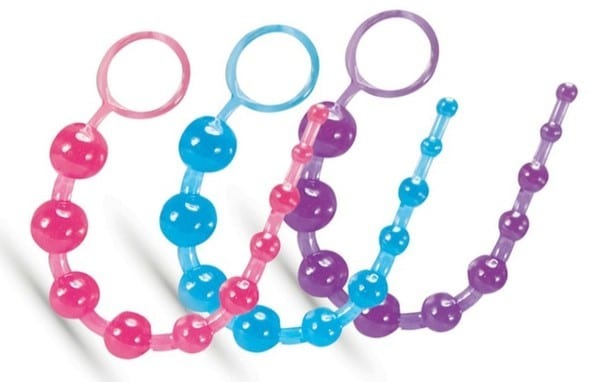
When people attempt to create DIY versions of intimate products, they often underestimate the precision and testing that go into safe, medically approved designs. A product meant for internal use must pass strict biocompatibility and safety standards—something impossible to guarantee with home materials.
1. Lack of Body-Safe Materials
Household materials such as plastic, rubber, wood, or metal items are not medical-grade. Many contain phthalates, BPA, dyes, or other chemicals that can leach into tissue and cause irritation, inflammation, or toxic reactions.
Unlike medical-grade silicone or stainless steel, these substances aren’t tested for contact with mucous membranes, which are extremely absorbent and sensitive.
2. Rough or Porous Surfaces
DIY objects often have rough edges, seams, or microscopic pores that trap bacteria. These surfaces are impossible to clean properly, leading to bacterial buildup and infection.
Porous materials can also absorb bodily fluids or moisture, encouraging bacterial growth even after washing.
3. Risk of Breakage or Detachment
One of the most serious risks of improvised anal homemade anal beads toys is breakage or loss inside the body. The anal canal can create strong suction, pulling objects inward. Without a flared base or retrieval loop, a foreign object can easily become lodged and require surgical removal.
Homemade items simply aren’t designed to withstand internal pressure or to remain safely retrievable.
4. No Medical or Safety Certification
Commercial wellness tools undergo testing for:
- Biocompatibility
- Structural integrity
- Non-toxicity
- Allergen safety
- Cleanability
Homemade items meet none of these criteria. Using uncertified materials in the body is similar to performing self-surgery with household tools—extremely dangerous and unpredictable.
Medical Risks homemade anal beads of Non–Body-Safe Materials
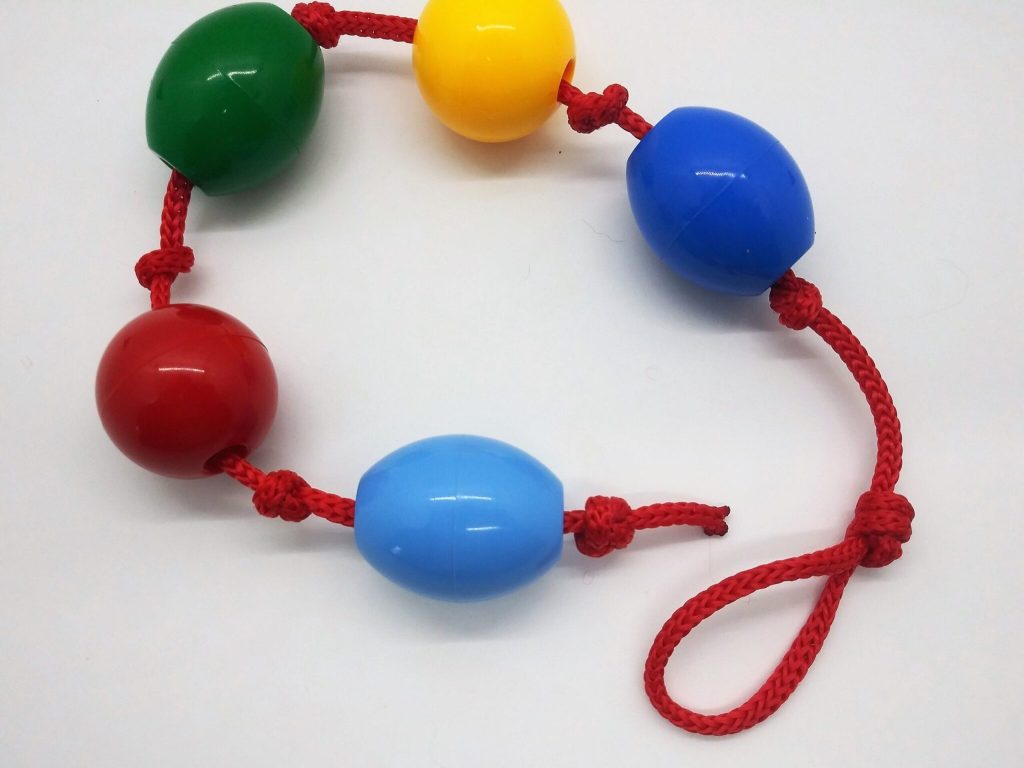
The rectal area is delicate, lined with sensitive mucous membranes and many small blood vessels. Homemade anal beads improper materials or techniques can cause a range of health problems.
1. Microtears and Bleeding
Rough or rigid surfaces can cause abrasions or tears in the anal lining, leading to pain, bleeding, and infection. These tears may also make the body more vulnerable to bacteria and viruses.
2. Infections
Improvised materials harbor bacteria that normal washing cannot remove. This can result in homemade anal beads :
- Bacterial infections (E. coli, staphylococcus)
- Yeast or fungal overgrowth
- Urinary tract infections (UTIs)
- Sepsis, in extreme cases
3. Allergic or Chemical Reactions
Household plastics or glues may contain chemical additives not meant for internal exposure, triggering irritation, rash, burning sensations, or allergic inflammation.
4. Retained Foreign Objects
If an object becomes stuck, it can cause severe pain, bleeding, and internal injury. In many cases, medical intervention or surgery is required to remove it safely.
5. Long-Term Health Effects
Repeated use of unsafe materials can cause chronic irritation, scarring, or in rare cases, perforation of the intestinal wall—a life-threatening medical emergency.
Understanding Anatomy and Safety homemade anal beads
To understand why safety is so critical, it helps to know a few basics about anatomy.
1. No Natural “Stop Point”
Unlike the vagina, the rectum has no internal barrier or muscle ring to stop objects from being pulled deeper. That’s why any tool intended for anal use must have a wide, flared base or retrieval cord to prevent it from being lost inside.
2. Sensitive Tissues
The rectal lining is much thinner and more delicate than skin. It absorbs chemicals faster and tears easily, which is why only smooth, medical-grade materials should ever come into contact with it.
3. Blood Vessel Density
Because of its dense network of veins and capillaries, the anal area is prone to bleeding and rapid infection spread if damaged. Even a minor cut can allow bacteria to enter the bloodstream quickly.
4. Sphincter Reflex
The anal sphincter is a strong, involuntary muscle that reacts to pressure by contracting. Improper insertion or removal of objects can trigger spasms, causing pain and sometimes trapping the object inside.
How to Choose Safe, Certified Alternatives homemade anal beads
If you’re interested in exploring this aspect of wellness safely, the right approach is to select products that are professionally designed and medically tested for internal use.
1. Look for Medical-Grade Materials
- Silicone: Non-porous, hypoallergenic, easy to clean.
- Stainless Steel: Durable, smooth, temperature-safe.
- Glass (borosilicate): Medical-grade glass is body-safe and easy to sterilize.
- ABS Plastic: Rigid but smooth and non-porous when certified body-safe.
Avoid materials that are rubbery, jelly-like, or labeled as “novelty use only.”
2. Certified Safety Standards
Choose products labeled:
- Phthalate-free
- BPA-free
- Latex-free (for those with sensitivities)
- FDA-approved or marked medical-grade
Reputable brands and retailers clearly state safety certifications and provide cleaning instructions.
3. Design and Shape
Look for:
- Flared base or retrieval ring
- Smooth, seamless design
- Gradual taper or gentle contour
These features reduce the risk of discomfort and make removal easy and safe.
4. Source from Reputable Retailers
Buy only from certified sexual wellness stores or established online retailers specializing in body-safe, health-tested devices. Avoid unbranded or cheap imports without certification.
homemade anal beads Cleaning, Hygiene, and Storage Best Practices
Even with safe, certified products, hygiene is crucial to prevent infections.
Before and After Each Use
- Wash with warm water and mild, unscented soap, or use a designated toy cleaner.
- Rinse thoroughly and let the air dry completely.
- For silicone, stainless steel, or glass, you can sterilize using boiling water (if safe for the material) or 70% isopropyl alcohol.
Storage Tips
- Store in a clean, dry container or soft pouch.
- Avoid letting different materials touch, as they may degrade.
- Keep away from direct sunlight, heat, or dust.
Lubrication and Protection
If you ever use lubricants, choose water-based or body-safe silicone lubes only. Oil-based products can damage silicone or rubber and increase irritation risks.
What to Do If Something Goes Wrong homemade anal beads
If you experience pain, bleeding, fever, swelling, or if an object becomes stuck, seek immediate medical attention.
Do not attempt to remove a stuck object yourself if it’s deep or causing pain. Medical professionals handle such situations discreetly and safely — emergency care is always confidential and nonjudgmental.
Signs that require urgent attention:
- Persistent abdominal pain
- Visible bleeding
- Dizziness or fainting
- Nausea or vomiting
- Fever or chills
Your health and safety should always take priority over embarrassment.
Safe Self-Care and Sexual Wellness Education homemade anal beads
Exploring sexuality and intimacy is healthy when done mindfully and safely. The goal should always be pleasure without harm, which requires knowledge, communication, and consent.
1. Communicate Openly
Talk to your partner(s) about comfort levels, hygiene, and boundaries before trying new things.
2. Educate Yourself
Rely on trusted, medically informed resources — not anonymous online DIY tutorials. Websites by certified sex educators, doctors, or reputable sexual wellness organizations offer accurate guidance.
3. Listen to Your Body
If something hurts, burns, or feels wrong, stop immediately. Discomfort is your body’s signal that something isn’t right.
4. Prioritize Health
Regular medical checkups and discussions about sexual wellness with a healthcare provider are essential to long-term wellbeing.
FAQs
1. Can I sterilize homemade materials to make them safe?
No. Even boiling or disinfecting cannot make porous or chemically unstable materials body-safe.
2. What makes silicone or stainless steel safer?
They are non-porous, hypoallergenic, and medical-grade, designed for internal contact without leaching chemicals or harboring bacteria.
3. What happens if a foreign object gets stuck?
Do not attempt to retrieve it manually. Go to an emergency room immediately — trained professionals will remove it safely.
4. Can I use condoms over unsafe materials?
This does not make them safe. Sharp edges, chemical reactions, or pressure changes can still cause harm or break the barrier.
5. Where can I find verified, safe alternatives?
Look for reputable wellness retailers that clearly mark products as body-safe, non-porous, and certified. Avoid “novelty” or unverified brands.
Conclusion
Homemade or improvised anal beads may seem harmless at first glance, but they pose serious health risks — from infection and chemical exposure to potential medical emergencies.
Your body deserves care and respect. Always choose certified, body-safe materials, practice good hygiene, and prioritize consent and communication.
By choosing professional, medically tested products and staying informed, you ensure that sexual wellness remains safe, healthy, and empowering, never harmful or risky.
![Most Powerful Bullet & Mini Vibrators [Tested in 2025]](https://couplepleasure.com/wp-content/uploads/2025/10/image-11-2.jpeg)