


Bondage tape is often mentioned in discussions about trust, creativity, and communication in relationships. Yet, many people misunderstand what it actually is — or assume it’s unsafe.
Bondage tape is a non-adhesive, stretchable PVC (polyvinyl chloride) tape that sticks only to itself — not to hair or skin. This makes it very different from regular adhesive tapes like duct tape or masking tape.
Key Characteristics
- Material: Soft PVC or vinyl.
- Adhesive-Free: It clings to itself via static friction, not glue.
- Reusable: It can often be used multiple times if kept clean.
- Non-Porous: Resistant to sweat or body oils.
- Variety: Comes in various colors and widths (commonly 2-inch rolls).
Because it doesn’t use glue, bondage tape won’t pull hair, irritate skin, or leave residue, making it ideal for sensitive skin and creative applications.
How It Differs from Duct Tape or Rope
| Feature | Bondage Tape | Duct Tape | Rope |
| Adhesive | No (sticks to itself only) | Yes (sticky, can harm skin) | None |
| Skin Safety | High | Low (can pull hair, cause rash) | Moderate (depends on material) |
| Reusability | Often reusable | Disposable | Reusable |
| Application | Quick and smooth | Sticky and rough | Requires knot skills |
| Cleanup | Easy, no residue | Sticky mess | Must untie knots carefully |
Bondage tape is designed for temporary, safe restraint or creative wrapping, while duct tape and rope require more caution to avoid restricted circulation or skin injury.
Non-Sexual and Creative Uses of Bondage Tape
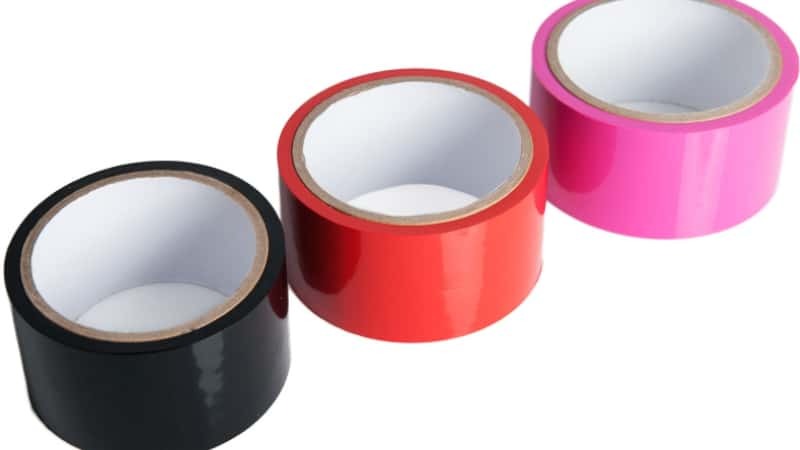
Although bondage tape is associated with adult contexts, it also has practical, non-sexual uses that make it a versatile material for artists, designers, and performers.
1. Theatrical Props
In stage plays, actors often use bondage tape to simulate wrist bindings or costume accessories safely, without adhesive damage or discomfort.
2. Fashion and Costume Design
Designers use bondage tape to create avant-garde outfits, accessories, or accent wraps. Because it clings only to itself, it can be used to build temporary structures without sewing.
3. Photography and Art Installations
Bondage tape’s glossy, reflective surface looks striking in photos. Artists often use it for visual contrast, sculpture wrapping, or creative body art projects (non-explicit).
4. Trust Exercises in Relationships
Some couples use bondage tape to build mutual trust and communication, not for restraint, but for learning about boundaries, verbal cues, and emotional safety.
These creative, consent-based uses highlight that bondage tape can be a tool of expression, not just restriction.
Safety Principles for Responsible Use
Even though bondage tape is gentler than other materials, it still requires care. The following safety guidelines help ensure comfort and safety.
1. Prioritize Consent
- Always ask for clear, enthusiastic consent before use.
- Establish safe words or signals — for example, “red” for stop and “yellow” for caution.
- Communication should remain open at all times.
2. Protect the Skin
- Avoid wrapping over cuts, sunburns, or irritated skin.
- Do not wrap too tightly — two fingers should easily fit under the tape.
- Be cautious with allergies; although PVC is latex-free, some people react to vinyl or synthetic materials.
3. Monitor Circulation
- If skin becomes numb, pale, or cold, remove the tape immediately.
- Avoid long-term constriction — short intervals are best.
- Never tape over the neck or chest in a way that restricts breathing or movement.
4. Temperature and Environment
Bondage tape softens slightly in warmth and stiffens in cold. Keep it at room temperature to maintain flexibility and comfort.
5. Keep Emergency Tools Nearby
- Have scissors or safety shears ready in case of emergency.
- Avoid metal blades near skin — use rounded-tip safety shears designed for fabric or bandages.
Consent and Communication
Healthy experimentation or creative roleplay should always be mutual, communicative, and safe. Before using bondage tape, partners (or group members in performance or art projects) should discuss:
- Comfort levels and boundaries
- Duration of use
- Signals for discomfort or stop
- Aftercare — checking in, relaxing, and ensuring everyone feels comfortable afterward
Remember: Consent is ongoing. Even if someone agreed before, they can always withdraw that consent — and it must be respected immediately.
How to Remove Bondage Tape Safely
Removing bondage tape is simple when done patiently:
- Peel gently from the edge where the tape overlaps.
- Avoid pulling quickly — slow peeling prevents skin stress.
- If the tape has stuck to itself too firmly, cut carefully with safety shears.
- Wash the area with mild soap and warm water afterward.
- Moisturize the skin if dryness occurs.
Aftercare
- Apply unscented lotion or aloe vera to soothe skin.
- Hydrate with water.
- If the experience involved trust or emotion, spend time reconnecting calmly and kindly.
Common Mistakes to Avoid
| Mistake | Why It’s Risky | Safer Practice |
| Wrapping too tightly | Cuts off circulation, causes numbness | Allow two-finger space |
| Using adhesive tape (duct/electrical) | Skin damage, pain | Use only bondage tape |
| Ignoring discomfort | May lead to injury | Stop immediately if pain occurs |
| Wrapping over joints | Limits movement | Use flexible areas like arms or thighs |
| Leaving tape on for hours | Circulation and sweat buildup | Short, monitored sessions |
Body-Safe Alternatives
If bondage tape isn’t available or suitable, consider these safe substitutes:
- Medical bandages or cohesive wraps — gentle, skin-safe, reusable
- Soft fabric ties — scarves, cotton belts, or microfiber straps
- Padded cuffs — adjustable with velcro, non-restrictive
- Elastic wraps — used for physiotherapy, allow stretch and breathability
Avoid using plastic wrap, duct tape, or zip ties, which can cause serious harm.
Storage and Cleaning Tips
- Store bondage tape rolled loosely in a cool, dry place.
- Keep it away from sunlight or heat, which can make PVC brittle.
- If it gets dusty, wipe with a damp cloth and dry before reusing.
- Avoid storing near oils, lotions, or chemicals, as these can degrade the tape’s surface.
FAQs
1. Does bondage tape hurt to remove?
No — it doesn’t use glue, so it won’t pull hair or irritate skin if applied gently.
2. Can I use bondage tape more than once?
Yes, as long as it remains clean and untangled. Wipe lightly between uses and re-roll carefully.
3. Is bondage tape latex-free?
Most brands are latex-free, made from PVC. Always check the product label for allergies.
4. Can bondage tape damage skin?
Only if wrapped too tightly or used on irritated skin. Follow safety steps and monitor circulation.
5. Where can I buy it?
Available online and in adult wellness or performance supply stores. Look for body-safe, phthalate-free products.
Conclusion
Bondage tape can be a safe, creative, and communicative tool when used with care. Whether for theater, fashion, or trust exercises, the key principles remain the same: consent, safety, and respect. By following the precautions outlined here — from skin safety to emotional aftercare — you ensure that every experience with bondage tape is responsible, positive, and free of harm.
![Most Powerful Bullet & Mini Vibrators [Tested in 2025]](https://couplepleasure.com/wp-content/uploads/2025/10/image-11-2.jpeg)