
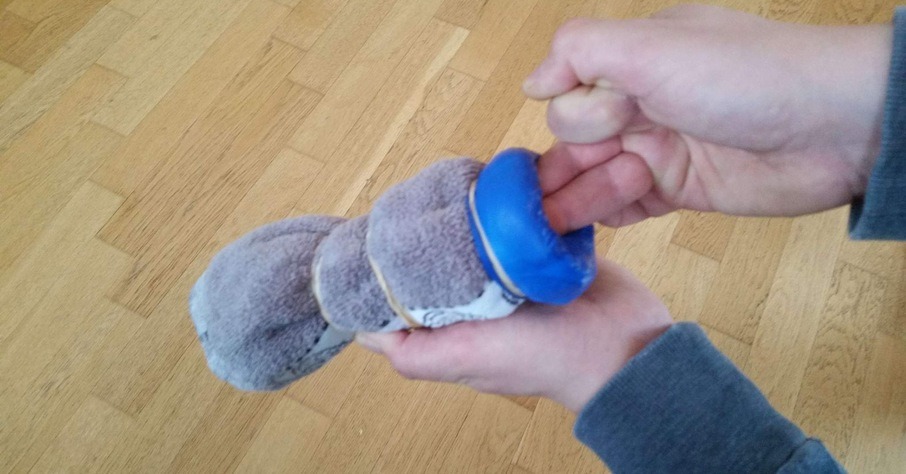
Self-care and sexual wellness are important aspects of overall health for people of all ages. Exploring one’s body can improve confidence, reduce stress, and foster a positive sense of well-being. However, some individuals turn to Glove Fleshlight or untested homemade devices — such as makeshift “gloves” or “homemade” toys — in an attempt to save money or experiment privately.
While curiosity is natural, using non-certified or homemade tools can be unsafe and unhygienic, leading to health risks such as infection, irritation, or even physical injury. The good news is that there are many safe, medically tested alternatives designed specifically for male self-care.
This guide will explain why homemade devices are dangerous, what materials are safe for intimate contact, and how to choose and maintain hygienic, body-friendly options for healthy, responsible wellness practices.
1. Why DIY or Untested Homemade Devices Are Unsafe
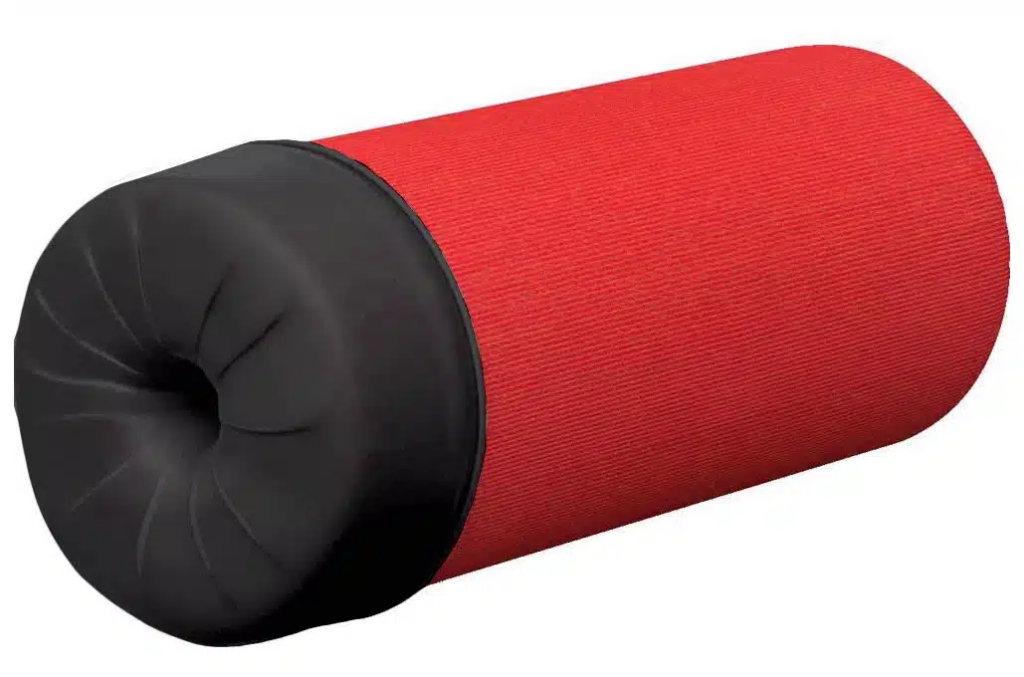
Homemade devices — including glove-based contraptions or improvised objects — might appear harmless, but they can cause significant damage to sensitive tissues. Here’s why:
a. Lack of Safety Standards
Certified sexual wellness products go through rigorous safety testing to ensure they meet medical and hygiene standards. Homemade devices, on the other hand, have no such regulation, meaning you can’t be sure they’re free of harmful chemicals, rough textures, or bacteria.
b. Bacterial Contamination
Everyday materials such as rubber gloves, sponges, socks, or plastic bags are not sterile. Even when freshly washed, these items can trap moisture and bacteria, increasing the risk of infections such as urinary tract infections (UTIs) or skin irritation.
c. Chemical Exposure
Some plastics, latex gloves, or lubricants used in DIY setups can contain phthalates, BPA, or other harmful additives. These chemicals can disrupt hormones, cause rashes, or trigger allergic reactions when exposed to sensitive skin.
d. Structural Dangers
Homemade devices can break, leak, or tear during use, creating sharp edges or friction burns. This can lead to tissue abrasions — small cuts that allow bacteria to enter the bloodstream.
e. Uncontrolled Pressure and Fit
Certified wellness products are designed with anatomy in mind, using ergonomic shapes and controlled suction or texture. Homemade devices cannot provide consistent, safe pressure, leading to potential bruising or circulation issues.
2. Risks of Non-Body-Safe Materials Glove Fleshlight
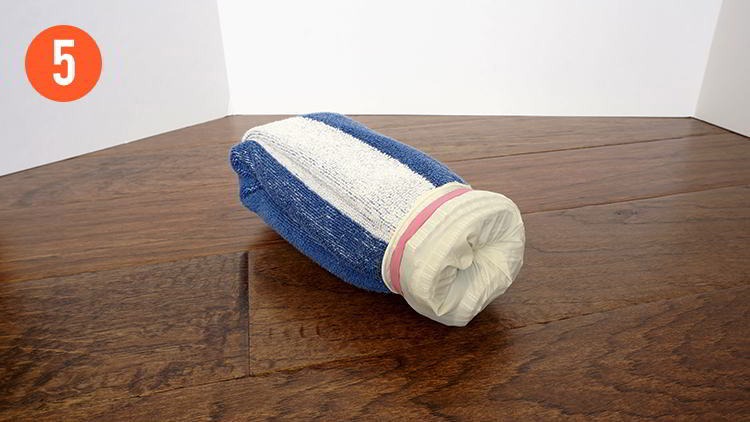
One of the biggest dangers in DIY devices is the use of unsafe materials. Understanding which materials to avoid — and which are safe — is essential for maintaining sexual wellness.
Unsafe Materials Commonly Found in DIY Devices
| Material | Why It’s Unsafe |
| Latex gloves or balloons | May cause allergic reactions or microtears; not sterile. |
| Plastic bags | Can cause suffocation or skin burns from friction. |
| Foam or sponges | Trap moisture and bacteria easily. |
| PVC or cheap rubber | Often contain phthalates or other toxins. |
| Household lubricants (like oils or lotions) | Can irritate skin or break down protective materials. |
These materials may appear harmless but are not designed for intimate contact. The skin in intimate areas is thinner and more sensitive than other parts of the body, so it’s crucial to use products made from certified, biocompatible materials.
3. Safe, Hygienic, Glove Fleshlight Certified Alternatives for Male Self-Care
Fortunately, modern wellness brands now offer affordable, body-safe options for men seeking safe and hygienic self-care. These products are designed with anatomy, comfort, and long-term health in mind.
a. Medical-Grade Silicone Devices
Silicone is the gold standard in body-safe materials. It’s non-porous, hypoallergenic, soft, and durable. Medical-grade silicone can be sterilized easily and doesn’t absorb bacteria or odors.
Benefits:
- Easy to clean
- Non-toxic and hypoallergenic
- Long-lasting and flexible
b. ABS Plastic
High-quality, phthalate-free ABS plastic is often used for hard, smooth surfaces. It’s lightweight, rigid, and non-porous, making it a good option for affordable, body-safe wellness tools.
c. TPE and TPR (Thermoplastic Elastomer/Rubber)
These materials offer a soft, skin-like texture and are safe when labeled phthalate-free and body-safe. They’re used in many male self-care tools due to their realistic flexibility.
d. Stainless Steel and Borosilicate Glass
For advanced users, stainless steel and borosilicate glass provide firm, non-porous, temperature-safe options. They are easy to disinfect and last a lifetime with proper care.
e. Certified Wellness Brands
Look for brands that prioritize medical safety, transparency, and product testing. Trusted manufacturers clearly list material composition, certification marks (like FDA-approved or CE-certified), and cleaning instructions.
4. Body-Safe Materials: What to Look For
Here’s a quick comparison of popular materials used in wellness devices:
| Material | Body-Safe | Non-Porous | Easy to Clean | Durability | Notes |
| Medical-Grade Silicone | Yes | Yes | Yes | High | Soft, flexible, and hypoallergenic. |
| Stainless Steel | Yes | Yes | Yes | Very High | Great for advanced users. |
| Borosilicate Glass | Yes | Yes | Yes | High | Temperature-safe and hygienic. |
| ABS Plastic | Yes | Yes | Yes | High | Common in massagers and accessories. |
| TPE/TPR (Phthalate-Free) | Sometimes | No | Moderate | Moderate | Only use when certified as “body-safe.” |
| PVC/Jelly Rubber | No | No | No | Low | Contains toxins; avoid. |
Tip: Always look for phrases like:
- “Phthalate-free”
- “Medical-grade silicone”
- “FDA-registered”
- “Non-porous”
These confirm the product meets safety standards for intimate use.
5. Proper Cleaning, Storage, and Safety Tips
Even the best wellness tools can become unsafe if not cleaned and stored correctly. Hygiene is vital for protecting your health.
a. Cleaning
- Before and after every use, wash the device with warm water and mild, fragrance-free soap.
- Rinse thoroughly to remove all residue.
- For deeper sanitation, boil silicone or stainless-steel tools (if the manufacturer approves).
- Dry completely before storing to prevent bacteria growth.
b. Storage
- Keep the device in a clean, lint-free pouch or case.
- Avoid direct sunlight, moisture, or heat.
- Do not let different materials touch each other in storage — silicone and TPE can degrade if stored together.
c. Lubrication
Use only water-based lubricants with silicone tools. Silicone-based lubricants can damage silicone surfaces.
Avoid using oils, lotions, or petroleum jelly — they can cause irritation and harbor bacteria.
d. Inspection
Check for cracks, discoloration, or sticky textures regularly. If you notice damage, replace the item immediately.
e. Avoid Sharing
Sharing intimate tools can spread bacteria or infections. If sharing is unavoidable, use a new barrier (like a condom) and disinfect thoroughly afterward.
6. How to Choose Healthy, Medically Safe Wellness Tools
When purchasing a wellness device, keep these key factors in mind:
a. Material Safety
Always prioritize medical-grade silicone, stainless steel, or ABS plastic. Avoid vague descriptions like “soft rubber” or “real-feel material” without details.
b. Brand Reputation
Buy from trusted retailers or official brand websites that clearly list safety certifications. Reputable brands will disclose material composition, instructions, and customer reviews.
c. Design and Comfort
Choose ergonomically shaped devices with smooth edges and safety features like a flared base or handle for control and comfort.
d. Size and Fit
Start small if you’re new to male wellness tools. A smaller, more flexible design is easier to handle and less likely to cause discomfort.
e. Waterproofing
Waterproof models are easier to clean and maintain, helping ensure long-term hygiene.
f. Price and Quality
While affordability matters, avoid products that seem unrealistically cheap. Quality materials cost more to produce — and your health is worth the investment.
7. Responsible Wellness Practice
Practicing self-care should always prioritize comfort, consent, and body awareness. Here are a few principles for healthy exploration:
- Go slow and listen to your body. Discomfort is a sign to stop.
- Relaxation matters. A calm, stress-free environment helps prevent strain.
- Educate yourself. Read manufacturer guides for safety instructions.
- Prioritize hygiene. Cleanliness prevents most complications.
Exploring self-pleasure responsibly supports mental relaxation, body confidence, and healthy circulation, making it a valuable component of overall wellness.
8. Frequently Asked Questions (FAQ)
1. Why shouldn’t I use homemade devices?
Because they’re not medically tested. Homemade devices can harbor bacteria, contain unsafe materials, or cause injury.
2. What materials are safest for male wellness tools?
Medical-grade silicone, stainless steel, borosilicate glass, and ABS plastic are considered the safest, non-toxic, and hypoallergenic options.
3. Can I use everyday items if they feel safe?
No. Even smooth objects may contain toxins or microscopic cracks that can trap bacteria. Always use certified products designed for intimate contact.
4. How do I clean and store these tools?
Wash with warm water and mild soap, dry completely, and store in a clean pouch. Avoid extreme heat or sunlight.
5. How do I know if a product is truly body-safe?
Look for FDA or CE certification, medical-grade labeling, and reviews from verified sources.
6. What should I do if I feel discomfort or irritation?
Stop immediately, clean the area, and if irritation persists, consult a healthcare professional.
Conclusion
While DIY experiments like a “glove fleshlight” may seem like a quick fix, they carry serious health risks. The safest path to self-care is choosing certified, body-safe, and hygienic tools made from medically approved materials.
By prioritizing safety, hygiene, and self-respect, you can enjoy the benefits of self-exploration — from relaxation and stress relief to improved body awareness — without compromising your health.
![Most Powerful Bullet & Mini Vibrators [Tested in 2025]](https://couplepleasure.com/wp-content/uploads/2025/10/image-11-2.jpeg)