


Intimacy and self-exploration are natural aspects of human wellness. As people grow more comfortable discussing sexual health, many seek ways to enhance their personal experiences safely and responsibly. Unfortunately, some turn to homemade alternatives or DIY devices that can pose serious health risks.
This guide explores why homemade dildos and DIY intimate tools are unsafe, and what safe, body-friendly alternatives you can use instead. We’ll also discuss how to select the right body-safe materials, maintain hygiene, and embrace self-exploration as part of overall wellness — all in a health-conscious, non-explicit way.
1. Why DIY Intimate Devices Can Be Risky
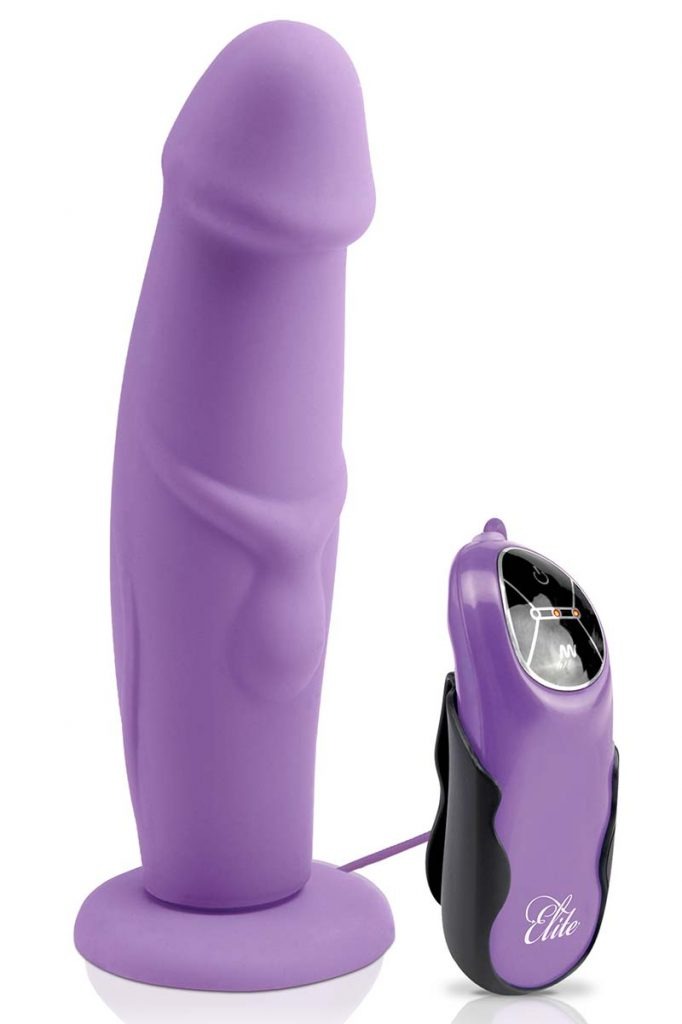
Homemade sex toys might seem convenient or affordable, but they often come with hidden dangers that can cause discomfort, infection, or injury. Here are the main reasons why they’re unsafe:
a. Non-body-safe materials
Household items like plastic bottles, vegetables, candles, or metal objects are not designed for internal use. These materials may contain toxic chemicals, sharp edges, or microscopic pores that can trap bacteria and cause irritation or infection.
b. Lack of sterilization
Most homemade materials can’t be properly sterilized. Porous surfaces harbor bacteria even after cleaning, leading to increased risk of urinary tract infections (UTIs), yeast infections, or bacterial vaginosis.
c. Structural hazards
DIY devices may break, splinter, or leak during use. Even minor abrasions can introduce bacteria into sensitive tissues, creating long-term health problems.
d. Allergic or chemical reactions
Materials like latex, rubber, or plastics can cause contact allergies or chemical burns. Without medical-grade certification, it’s impossible to confirm their safety for intimate contact.
e. Absence of ergonomic design
Certified adult wellness tools are designed with human anatomy and safety in mind. Homemade substitutes lack these features, increasing the chance of internal injury or discomfort.
In short: while curiosity is healthy, using unsafe materials is not. Fortunately, there are many safe, accessible, and affordable alternatives made with medical-grade, body-safe materials.
2. Body-Safe, Hygienic Materials and Certified Alternatives
The key to a healthy and pleasurable self-care experience lies in choosing safe, certified materials. Here’s a breakdown of the most trusted options:
| Material | Body-Safe | Non-Porous | Easy to Clean | Temperature Safe | Notes |
| Medical-grade Silicone | ✅ Yes | ✅ Yes | ✅ Yes | ✅ Yes | Hypoallergenic, flexible, and soft; best for most users. |
| Stainless Steel (316-grade) | ✅ Yes | ✅ Yes | ✅ Yes | ✅ Yes | Smooth, durable, and can be sterilized; often used for advanced products. |
| Borosilicate Glass | ✅ Yes | ✅ Yes | ✅ Yes | ✅ Yes | Non-toxic, temperature-responsive, and easy to clean. |
| ABS Plastic (Phthalate-free) | ✅ Yes | ✅ Yes | ✅ Yes | ⚠️ Moderate | Affordable and durable; make sure it’s labeled “phthalate-free.” |
| TPE/TPR (Thermoplastic Elastomer/Rubber) | ⚠️ Sometimes | ❌ No | ⚠️ Moderate | ❌ No | Only safe if labeled “body-safe” by a certified brand. |
| Elastomer | ✅ Yes (when certified) | ✅ Yes | ✅ Yes | ✅ Yes | Often used in Japanese wellness brands; soft and flexible. |
Always look for labels such as:
- “Medical-grade silicone”
- “Phthalate-free”
- “Non-porous”
- “Body-safe”
- FDA or CE certified
These certifications indicate that the materials have been tested for biocompatibility, safety, and hygiene.
3. How to Select Safe, Affordable Toys

Choosing a wellness tool doesn’t need to be expensive. Many reputable brands offer affordable, high-quality options under $50–$100 that are safe, durable, and body-friendly.
Here’s how to make a smart choice:
a. Check material quality
Always read the product description carefully. Avoid vague terms like “soft plastic” or “rubber-like feel.” Instead, look for specific certifications (e.g., “100% medical-grade silicone”).
b. Choose the right size and design
Everyone’s body is unique. Start with smaller, ergonomically designed options that fit comfortably. Reputable wellness companies often provide guides for choosing appropriate sizes.
c. Waterproof and rechargeable options
Waterproof designs make cleaning easier and ensure better hygiene. Rechargeable or battery-powered options with safety seals are generally safer and last longer.
d. Verify brand reputation
Look for brands with transparent manufacturing standards, customer reviews, and safety certifications. Trusted companies disclose the exact materials they use.
e. Avoid porous or novelty materials
Porous toys — often made of jelly rubber or cheap PVC — can trap bacteria even after washing. These should be avoided entirely.
f. Prioritize comfort and usability
A high-quality device should feel smooth, safe, and intuitive. If something feels uncomfortable or irritates your skin, discontinue use immediately.
4. Cleaning and Maintenance Tips
Proper hygiene is crucial for sexual wellness. Even the best body-safe materials can become unsafe if not cleaned properly. Here’s how to care for your device responsibly:
a. Clean before and after every use
- Use warm water and mild, unscented soap or a toy-safe antibacterial cleaner.
- Rinse thoroughly and allow to air dry on a clean towel.
- Avoid using alcohol or bleach, as these can damage materials.
b. Store in a clean, dry place
Keep your toy in a lint-free storage bag or separate container to prevent dust buildup or contact with other materials that could degrade it.
c. Avoid sharing
Even if sterilized, intimate devices should be used by one person only. Sharing can spread bacteria or infections.
d. Check for damage regularly
Inspect for cracks, tears, or discoloration. If you notice wear, replace the toy immediately.
e. Follow manufacturer guidelines
Every certified product comes with cleaning and care instructions. Following them helps maintain safety and longevity.
5. Embracing Self-Exploration as Part of Sexual Wellness
Sexual wellness is about more than just physical stimulation — it’s a form of self-awareness, body confidence, and stress relief. Exploring your body safely helps build a positive relationship with your own sexuality and overall well-being.
a. The wellness benefits
- Improved blood circulation and muscle relaxation
- Reduced stress and improved sleep
- Better understanding of personal preferences
- Enhanced self-esteem and body image
b. Mindfulness and consent
Safe self-exploration should always include self-consent, comfort, and relaxation. Pay attention to how your body responds and avoid anything that causes pain or discomfort.
c. Safe experimentation
If you’re curious to try new sensations, do so safely by using certified tools and lubricants made for intimate use (preferably water-based). Always patch-test lubricants for allergies before use.
6. Table: Comparison of Safe and Unsafe Materials
| Category | Safe Materials | Unsafe Materials (Avoid) | Why Unsafe |
| Silicone | Medical-grade, non-porous | Cheap silicone blends | May contain fillers and chemicals |
| Metal | Stainless steel | Iron, aluminum, or brass | Can corrode or cause irritation |
| Glass | Borosilicate glass | Ordinary glass | Can shatter or chip |
| Plastic | ABS plastic | PVC, vinyl | May contain phthalates |
| Rubber | Medical elastomer | Jelly rubber | Porous and traps bacteria |
7. Responsible Shopping Tips
- Buy from verified retailers (official brand websites, pharmacies, or reputable online stores).
- Avoid suspiciously cheap listings or counterfeit items.
- Read reviews carefully for mentions of material safety and comfort.
- Look for FDA-compliant or CE-certified labels.
- Consider eco-friendly brands that use sustainable materials and recyclable packaging.
Frequently Asked Questions (FAQ)
1. Why shouldn’t I use household items as substitutes?
Household objects are not designed for internal contact. They can cause infections, injuries, or toxic reactions. Always use tools made specifically for intimate wellness.
2. What are the safest materials for intimate use?
Medical-grade silicone, stainless steel, and borosilicate glass are the safest. These materials are hypoallergenic, non-porous, and easy to clean.
3. How do I clean a body-safe toy properly?
Wash with warm water and mild, fragrance-free soap or use a toy cleaner. Rinse well and let air dry before storing it in a clean bag or box.
4. Can I share my toy with my partner?
It’s best not to share. Even after cleaning, bacteria can linger. If you must share, use a barrier like a condom and clean thoroughly afterward.
5. Are affordable options still safe?
Yes, as long as they’re made from body-safe materials and come from reputable brands. Don’t sacrifice safety for a lower price.
6. How often should I replace my toy?
With regular care, silicone or steel toys can last years. Replace immediately if there’s damage, discoloration, or odor.
Conclusion
Homemade or DIY intimate devices may seem like a quick fix, but they pose real health risks. The good news is that safe, body-certified, and affordable alternatives are widely available today.
By choosing non-toxic materials, maintaining good hygiene, and listening to your body, you can enjoy a fulfilling and safe self-care journey. Remember — sexual wellness is part of overall health, and prioritizing safety ensures that pleasure and well-being go hand in hand.
![Most Powerful Bullet & Mini Vibrators [Tested in 2025]](https://couplepleasure.com/wp-content/uploads/2025/10/image-11-2.jpeg)