
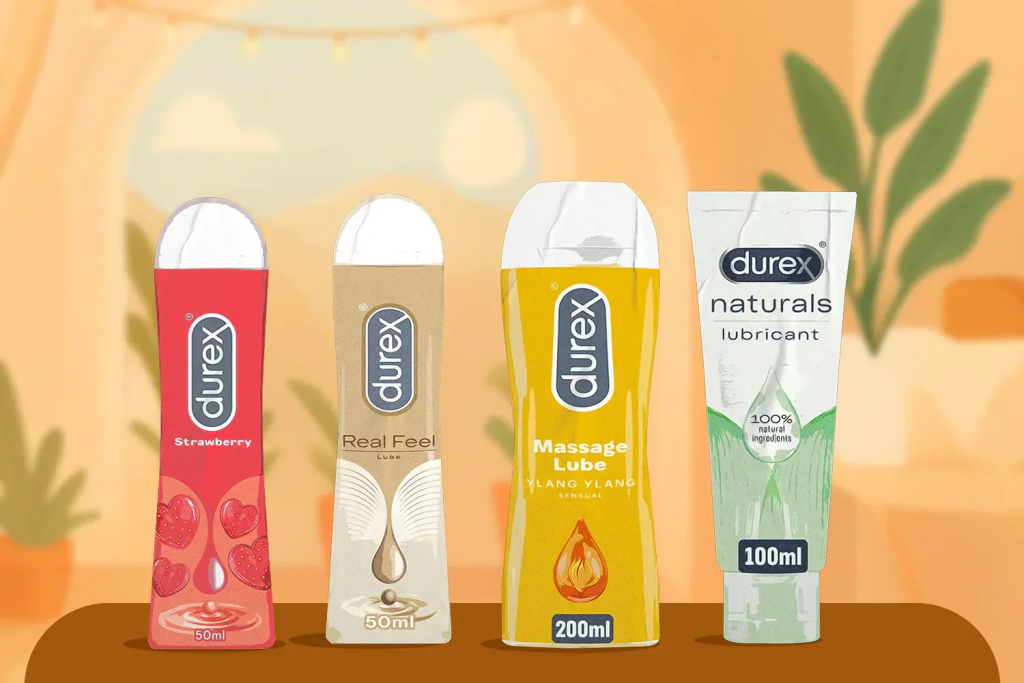
For couples, the quest for the ultimate intimate experience often leads to the discovery of a simple truth: lube changes everything. Lubricant is not merely a solution for dryness; it is an incredible pleasure enhancer, friction reducer, and safeguard against discomfort or injury. From enhancing the slickness of a slow, sensual massage to providing the necessary glide for intense anal play, the right lubricant is an indispensable part of sexual intimacy.
However, the sheer variety of options—water-based, silicone-based, hybrid, organic, warming, etc.—can be overwhelming. This comprehensive guide is designed to cut through the confusion, helping you and your partner select the best lube for couples based on your specific activities, toys, and safety needs, ensuring every experience is as comfortable and pleasurable as possible.
The Three Main Types of Lubricant: Compatibility is Key
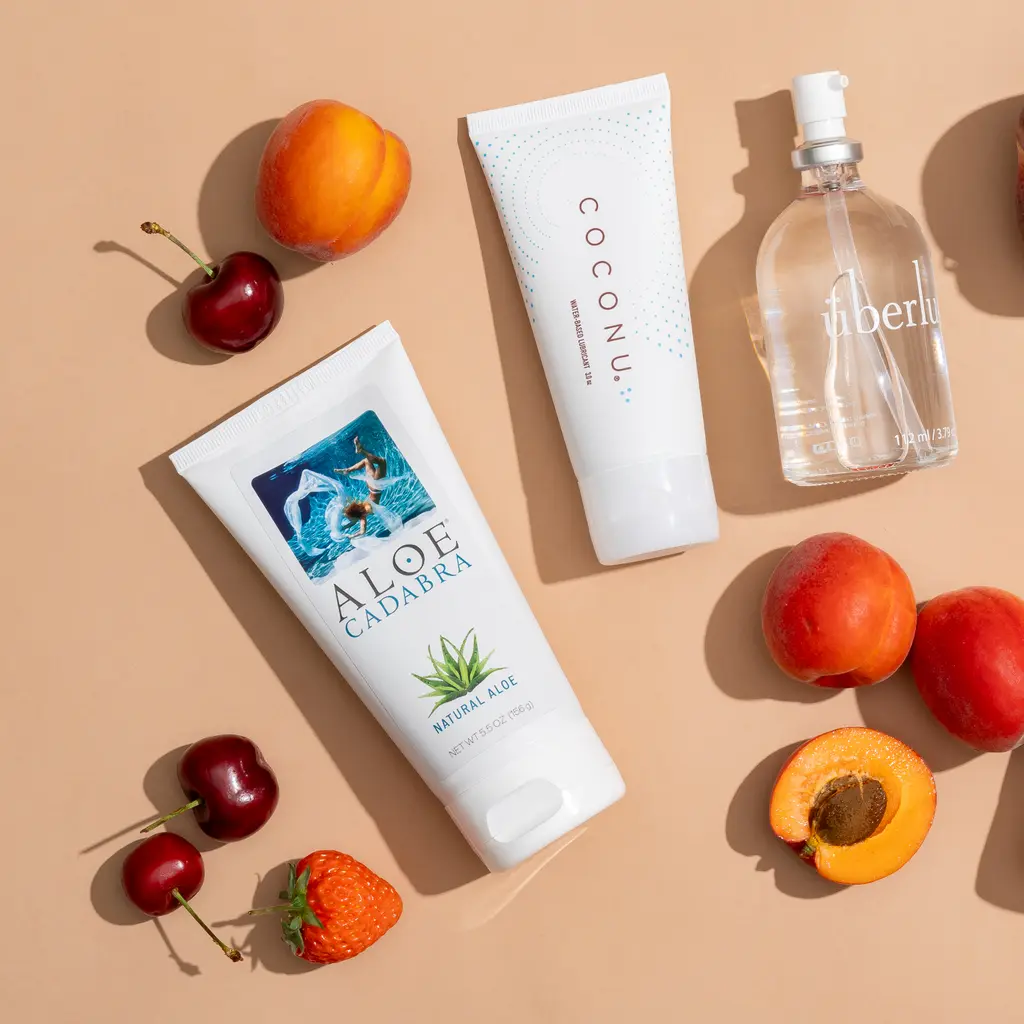
The fundamental difference between lubricants lies in their base. Understanding these three primary types is crucial for ensuring safe and pleasurable sex, particularly concerning compatibility with condoms and sex toys.
Water-Based Lubricants: The All-Rounder
- Pros: Most versatile and forgiving. Safe with all condoms (latex and non-latex) and all sex toys (including silicone toys). They feel very natural, are easy to clean up with just water, and rarely stain fabrics.
- Cons: They tend to dry out fastest, requiring frequent reapplication, especially during longer sessions or activities involving friction.
- Ideal for Couples: Everyday vaginal sex, quick intimate sessions, and toy play (especially with silicone toys).
Silicone-Based Lubricants: The Long-Distance Runner
- Pros: Last the longest and do not require reapplication. They are waterproof, making them the go-to choice for shower, bath, or pool play. Highly slick and recommended for anal sex due to their longevity. Safe with latex condoms.
- Cons: They are not compatible with silicone sex toys (silicone lube degrades silicone toys, making them porous and unsafe). They are also harder to clean and may stain sheets or clothing.
- Ideal for Couples: Extended sessions, anal sex, and water play (shower or bath sex).
Hybrid Lubricants: The Best of Both Worlds
- Pros: Combines a water base with a small amount of silicone. Offers longer-lasting slickness than pure water-based lube while still being relatively easy to clean. Safe with latex condoms and typically safe with silicone toys (though always check the label).
- Cons: Not as long-lasting as pure silicone lube. Compatibility with certain specific silicone toys can sometimes be uncertain; always confirm safety before use.
- Ideal for Couples: Those who want longevity but dislike the difficult cleanup of silicone, and couples who use a mix of activities.
Compatibility Checklist: Safety First for Couples (Table Format)
| Activity/Product | Water-Based Lube | Silicone-Based Lube | Oil-Based Lube (e.g., coconut oil) |
| Vaginal Sex (General) | Excellent | Excellent | AVOID (Can increase infection risk) |
| Anal Sex (High Friction) | Good (Reapply frequently) | Best (Long-lasting, ultra-slick) | AVOID (Compromises condom, hard to clean) |
| Latex Condoms | Safe | Safe | DANGEROUS (Weakens latex, causing tears) |
| Silicone Sex Toys | Safe | DANGEROUS (Degrades the silicone material) | DANGEROUS (Damages silicone/rubber) |
| Shower/Water Play | Poor (Washes away immediately) | Excellent (Waterproof) | Good (but AVOID if using condoms) |
| Cleanup | Easiest (Water soluble, non-staining) | Difficult (Requires soap and effort, may stain) | Very Difficult (Leaves stubborn oil stains) |
The single biggest mistake couples make is using the wrong lube with barriers or toys, which compromises safety. This table is an essential tool for selecting the best lube for couples based on the activity.
Advanced Features and Sensations
Once you’ve settled on the safest base type, you can explore fun, advanced features:
- Warming Lubes: These create a gentle, warming sensation on contact or with friction. They can be a fun way to enhance foreplay but should be avoided if either partner is highly sensitive.
- Edible/Flavored Lubes: Designed for oral sex. These are usually water-based. Ensure the flavorings are natural and that the lube is explicitly labeled as ingestible. Avoid flavored lubes for internal vaginal use, as the sugars (like glycerin) can disrupt the vaginal pH.
- CBD-Infused Lubes: A newer option that contains Cannabidiol (CBD), which is reported by some users to help the body relax and potentially reduce discomfort during penetration, enhancing the overall experience for both partners.
Partnered Usage and Communication
Finding the best lube for couples is a shared process that involves open communication.
- Talk About It: Introduce the topic casually. Frame lube as an enhancer for mutual pleasure, not a corrective for a problem.
- Lube the Partners, Not Just the Penis: Applying lube to the entrance of the vagina, anus, or the external toy and the penis/toy makes the experience far smoother and more comfortable.
- Start Small and Reapply: A few drops are usually enough to start. Keep the bottle handy and don’t be afraid to reapply the best lube for couples needed throughout the session to maintain slickness.
- Test for Sensitivity: If trying a new brand, test a small amount on the inside of the wrist or thigh before using it intimately.
Conclusion: Lube as the Ultimate Intimacy Tool
The right lubricant is more than just a slick substance; it’s a vital tool for intimacy, communication, and mutual pleasure. By prioritizing body-safe, non-irritating, and pH-balanced formulations, and carefully considering the compatibility with condoms and toys, couples can select the best lube for couples that flawlessly supports every part of their sexual life. Whether you need the smooth slide of a silicone formula for anal play or the non-staining ease of a water-based product for toy fun, finding your perfect match elevates the shared experience from good to extraordinary.
Frequently Asked Questions (FAQs)
Can I use olive oil, coconut oil, or Vaseline as lube for couples?
ABSOLUTELY NOT if you are using latex condoms. Oil-based household products rapidly degrade latex, leading to condom breakage and increased risk of STIs and unintended pregnancy. They can also clog pores and increase the risk of vaginal infections. Stick to commercial, purpose-made lubricants.
Why does water-based lube sometimes feel “sticky” when it dries?
Water-based lubes often contain ingredients like glycerin or certain thickeners (like cellulose) that are intended to give them a smoother texture and slow the drying process. As the water evaporates, these ingredients remain, which can create a sticky or tacky residue. Look for glycerin-free or organic aloe-based water lubes to minimize stickiness.
Is there a single, versatile lube that is safe for all toys, all condoms, and all activities?
Not perfectly. Water-based lube is the closest best lube for couples solution, as it is safe for all toys and condoms. However, it requires reapplication and is poor for water play. Hybrid lubes are a good compromise, but caution is still needed with some silicone toys.
Does using too much lube increase the risk of STIs or infections?
No, using the right type of lube does not increase the risk of STIs, and by reducing friction that causes micro-tears, it can actually be protective. To minimize the risk of infection, ensure you are using a pH-balanced lube (for vaginal use) and that you avoid lubes containing glycerin if one or both partners are prone to yeast infections.
How do I know if the silicone lube I’m buying will ruin my silicone sex toy?
The rule is simple: Silicone on Silicone is a No-Go. Any lube that is purely silicone-based will eventually degrade a silicone sex toy. If you own a silicone toy, you must use a water-based or hybrid lubricant to ensure the toy’s material integrity and hygiene. Always check the toy’s instructions.
![Most Powerful Bullet & Mini Vibrators [Tested in 2025]](https://couplepleasure.com/wp-content/uploads/2025/10/image-11-2.jpeg)