

In a world where beauty standards are often dictated by size and shape, the desire for a fuller bust has fueled a massive market for non-surgical solutions. Among the most popular and widely marketed of these are herbal breast enhancement creams. These topical formulations, often touted as natural alternatives to invasive procedures like surgical augmentation, promise to increase bust size, lift, and firmness using plant-derived ingredients.
The allure is undeniable: a simple, daily application offering a chance for a change in appearance without the cost, risk, or downtime of surgery. But what is the science behind these creams? Do they actually work, or are they simply glorified moisturisers? This comprehensive article dives deep into the world of herbal breast enhancement creams, exploring their mechanisms, common ingredients, purported benefits, and, most importantly, the scientific consensus on their efficacy and safety.
The Claimed Mechanism—Phytoestrogens and the Endocrine System
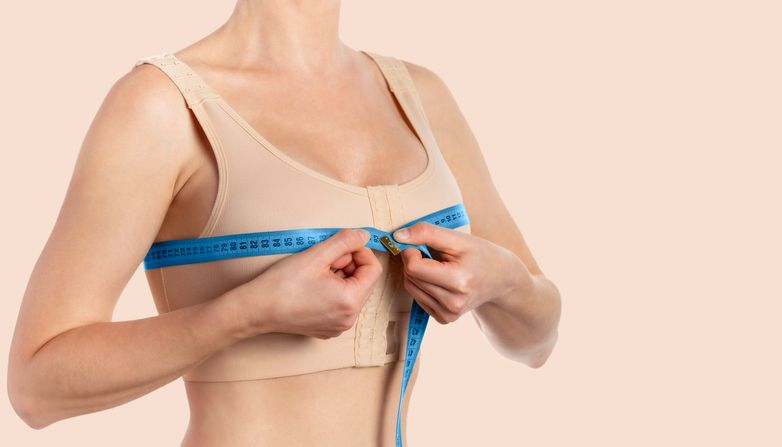
The primary scientific claim behind most herbal breast enhancement creams centers on the inclusion of phytoestrogens. These are naturally occurring plant compounds that are chemically similar to the hormone estrogen, which is responsible for breast development during puberty and pregnancy.
The Theoretical Action:
- Mimicking Estrogen: Phytoestrogens are thought to bind to estrogen receptors (ER) in the body, including those in the breast tissue. By mimicking the effects of estrogen, manufacturers claim they can stimulate the growth of mammary glands and fat tissue, leading to an increase in breast volume.
- Topical Absorption: The creams are designed to be absorbed through the skin (topically) to deliver the active ingredients directly to the breast tissue, bypassing the digestive system where many compounds are broken down.
However, it is crucial to understand that scientific consensus largely refutes the efficacy of these creams for significant, permanent breast enlargement. The dermal layer of the skin acts as an effective barrier, and most topical creams are not able to penetrate deep enough to reach the fat and glandular tissue that determines breast size in substantial concentration.
The marketing of herbal breast enhancement creams often highlights their “natural” ingredients, many of which have a history in traditional medicine, though usually for reasons unrelated to breast enlargement.
Key Herbal Ingredients and Their Traditional Uses
| Herbal Ingredient | Key Compound | Traditional/Purported Use | Scientific Consensus on Efficacy for Breast Growth |
| Pueraria Mirifica | Miroestrol, Deoxymiroestrol | Post-menopausal symptom relief, anti-aging, breast care. | Contains potent phytoestrogens; lacks robust clinical evidence for significant, permanent enlargement. |
| Fenugreek | Diosgenin | Lactation promotion (galactagogue), digestive health. | Phytoestrogenic properties; topical application is unproven for size increase. |
| Wild Yam (Dioscorea villosa) | Diosgenin (a precursor to synthetic hormones) | Menstrual cramps, menopausal symptoms. | No reliable evidence to support breast enhancement. |
| Saw Palmetto | Phytoestrogens | Traditionally used for prostate health in men. | Lacks scientific evidence for breast size alteration in women. |
The Purported Advantages of Herbal Creams
Proponents of herbal breast enhancement creams often highlight several perceived advantages over other methods.
- Non-Invasive and Painless: The most significant draw is the avoidance of surgery (implants or fat transfer), making it a zero-downtime option.
- Lower Initial Cost: Compared to the tens of thousands of dollars for surgery, a tube of cream is significantly cheaper, making it accessible to a wider audience.
- Skin Health Benefits: Many creams contain moisturizing agents like Shea Butter, Jojoba Oil, and Vitamin E, which can improve the texture, elasticity, and overall appearance of the breast skin.
- Targeted Firming/Lifting: Some users report a temporary tightening or firming sensation, which can give the illusion of a more lifted bustline.This effect is often due to moisturizing and temporary skin-tightening agents.
Disadvantages and Critical Safety Concerns
Despite the promises, there are serious disadvantages and safety concerns associated with the use of these unproven products.
- Lack of Efficacy: The biggest drawback is the overwhelming lack of credible, peer-reviewed clinical studies proving that topical herbal creams can cause significant, long-term changes in breast size. Results, when reported, are often anecdotal or temporary (due to water retention or swelling).
- Regulatory Uncertainty: In many regions, these creams are classified as cosmetics, not drugs, meaning they do not undergo the rigorous testing for safety and efficacy required of pharmaceuticals.
- Hormonal Interference and Cancer Risk: The main concern is the presence of phytoestrogens. While generally weaker than human estrogen, introducing large, unmonitored doses of any estrogenic compound into the body, especially over a prolonged period, raises serious questions.
- Potential Risk: Any compound that affects estrogen receptors could theoretically increase the risk of hormone-sensitive cancers, though this risk is not conclusively proven for topical phytoestrogens.
- Interactions: They may interfere with hormonal contraceptives, hormone replacement therapy, or other medications.
- Side Effects: Users have reported skin irritation, allergic reactions (rashes, burning sensation), and localized breast tenderness or swelling (often due to temporary water retention, not actual tissue growth).
Features of the Cream and Application Best Practices
A quality breast enhancement cream, regardless of its primary goal, should at least function as an excellent skin moisturizer and massage medium.
Desirable Cream Features:
- Deep Moisturization: Ingredients like Shea butter, Coconut oil, or Hyaluronic Acid to improve skin texture and elasticity.
- Non-Greasy Formula: A light, easily absorbed texture that doesn’t stain clothing or feel heavy.
- Paraben-Free/Clean Formulation: To minimize potential skin irritants.
- Massage-Friendly: Provides enough slip for the recommended self-massage technique, which itself promotes blood circulation.
Application Routine:
Most manufacturers recommend applying the cream twice daily with a specific massage technique. This typically involves:
- Applying a generous amount of cream to the breasts.
- Massaging in a circular, upward motion from the base of the breast towards the collarbone.
- Repeat the process 10-15 times per breast until the cream is fully absorbed.
Conclusion: A Realistic Approach
The global demand for herbal breast enhancement creams demonstrates a powerful consumer desire for non-invasive, accessible beauty solutions. While these creams provide an enjoyable ritual of self-massage and may temporarily improve the skin’s texture and appearance, the evidence that they can cause lasting, significant breast enlargement is critically lacking.
A realistic approach is necessary: view these creams primarily as high-quality topical moisturisers. Combine their use with proven holistic practices: targeted chest exercises to build pectoral muscle tone, maintaining a healthy body weight, and most importantly, wearing properly fitting, comfortable underwear for daily use to provide immediate lift, shape, and crucial long-term support. Before starting any long-term regimen involving phytoestrogens, consulting a healthcare professional is strongly recommended to assess potential health interactions and risks.
Frequently Asked Questions (FAQs)
Are herbal breast enhancement creams safe?
The safety of these creams is debated because they are largely unregulated and contain ingredients, primarily phytoestrogens, that can potentially interact with the body’s endocrine system. While topical absorption is typically low, there is a theoretical risk of side effects, including skin irritation and possible interference with hormones or medication. It is essential to consult a doctor before use, especially if you have a history of hormone-sensitive conditions.
How long does it take for breast enhancement creams to show results?
Most manufacturers suggest a usage period of 3 to 6 months to see “optimal” results. However, any perceived changes are often temporary—due to increased blood flow from massage, temporary skin tightening, or water retention caused by the estrogen-like compounds—and not a result of permanent tissue growth.
What is a phytoestrogen, and how does it relate to breast size?
A phytoestrogen is a plant-derived compound that has a structure similar to the female hormone estrogen. Since estrogen drives breast development, the theory is that phytoestrogens in the creams can stimulate breast tissue growth. However, scientific evidence suggests that topically applied phytoestrogens do not penetrate the skin in sufficient concentration to replicate the hormonal effect needed for significant breast enlargement.
Can the creams cause weight gain?
Direct weight gain from topical breast enhancement creams is unlikely. However, some users report temporary breast swelling and tenderness due to the estrogenic compounds causing localized water retention in the breast tissue. This is a temporary effect and should not be confused with general body weight gain.
What is the most effective way to enhance the look of my bust without surgery?
Wearing the correct size and style of bra (including comfortable underwear for daily use) provides an immediate, noticeable lift and shaping. Strength training (e.g., push-ups, chest presses) can build the muscle tissue beneath the breasts, giving the chest a firmer, more lifted
Improving posture instantly makes the bustline appear more prominent.