Have you ever spent an entire day subtly, and perhaps desperately, adjusting your undergarments? If so, you know the true cost of uncomfortable underwear for daily use. It’s not just a minor annoyance; it’s a silent drain on your focus, confidence, and overall well-being. The foundation of a good day—a productive workday, a relaxed weekend, or an intense gym session—begins with what lies closest to your skin. The right pair of underwear is the unsung hero of your wardrobe, providing the crucial comfort and support that allows you to move freely and focus on life, not on your waistband.
Choosing the right pair of comfortable underwear for daily use involves a thoughtful consideration of style, fabric, and fit. It’s a fundamental investment in your personal comfort, one that yields dividends in daily satisfaction. This comprehensive guide will delve into everything you need to know to make the best choice, transforming your daily dressing routine from a potential pitfall into a pleasure.
Decoding the Fabric: The Soul of Comfort
The material of your underwear is arguably the most critical factor in determining its comfort level. Different fabrics offer distinct features, breathability, and feel against the skin. For truly comfortable underwear for daily use, breathability and moisture-wicking properties are paramount.
| Fabric Type | Key Features | Advantages | Disadvantages |
| Cotton (Combed/Organic) | Natural, soft, breathable, and affordable. | Excellent for general daily wear, hypoallergenic. | Prone to holding moisture (sweat), slower drying time. |
| Modal/Tencel Modal | Extremely soft, high breathability, excellent stretch. | Softer and more moisture-wicking than cotton, eco-friendly. | Can be more expensive, less durable than synthetics. |
| Bamboo Viscose/Rayon | Silky texture, naturally anti-bacterial and thermo-regulating. | Exceptionally soft, keeps you cool, good for sensitive skin. | May stretch out over time, usually higher priced. |
| Nylon/Polyester Blends | Durable, quick-drying, high stretch. | Ideal for activewear, excellent moisture-wicking properties. | Less breathable than natural fibers, can trap odor. |
Finding Your Perfect Fit and Style
Beyond fabric, the cut and fit of your underwear dramatically impact how comfortable you feel throughout the day. A proper fit prevents bunching, riding up, and chafing—the unholy trinity of discomfort.
Common Underwear Styles for Men
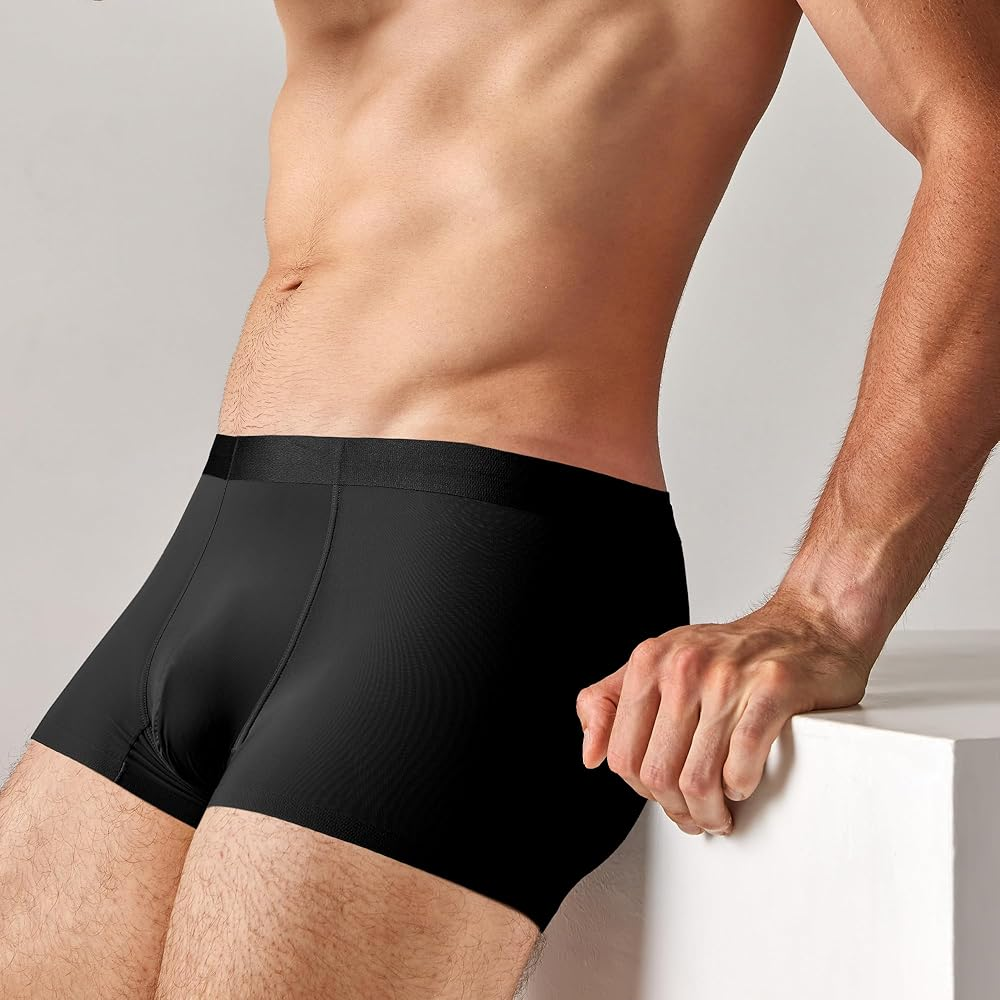
- Boxer Briefs: The best of both worlds—the coverage of a boxer and the snug fit of a brief. They offer excellent support and prevent thigh chafing, making them a top choice for comfortable underwear for daily use.
- Trunks: A shorter version of the boxer brief. Ideal for slim-fit pants as they have less fabric to bunch up.
- Briefs: Offer maximum support and freedom for the legs. They are a great choice for active individuals or those who prefer less fabric under fitted trousers.
- Boxers: Loose-fitting, providing maximum air circulation. Best for lounging or sleeping, but can bunch up under everyday clothes.
Common Underwear Styles for Women
- Bikini/Hipster: Offers moderate coverage and a low-rise fit. A versatile, popular choice for daily wear.
- Boy Shorts: Resembles men’s boxer briefs but with a feminine cut. Provides full coverage and excellent comfort.
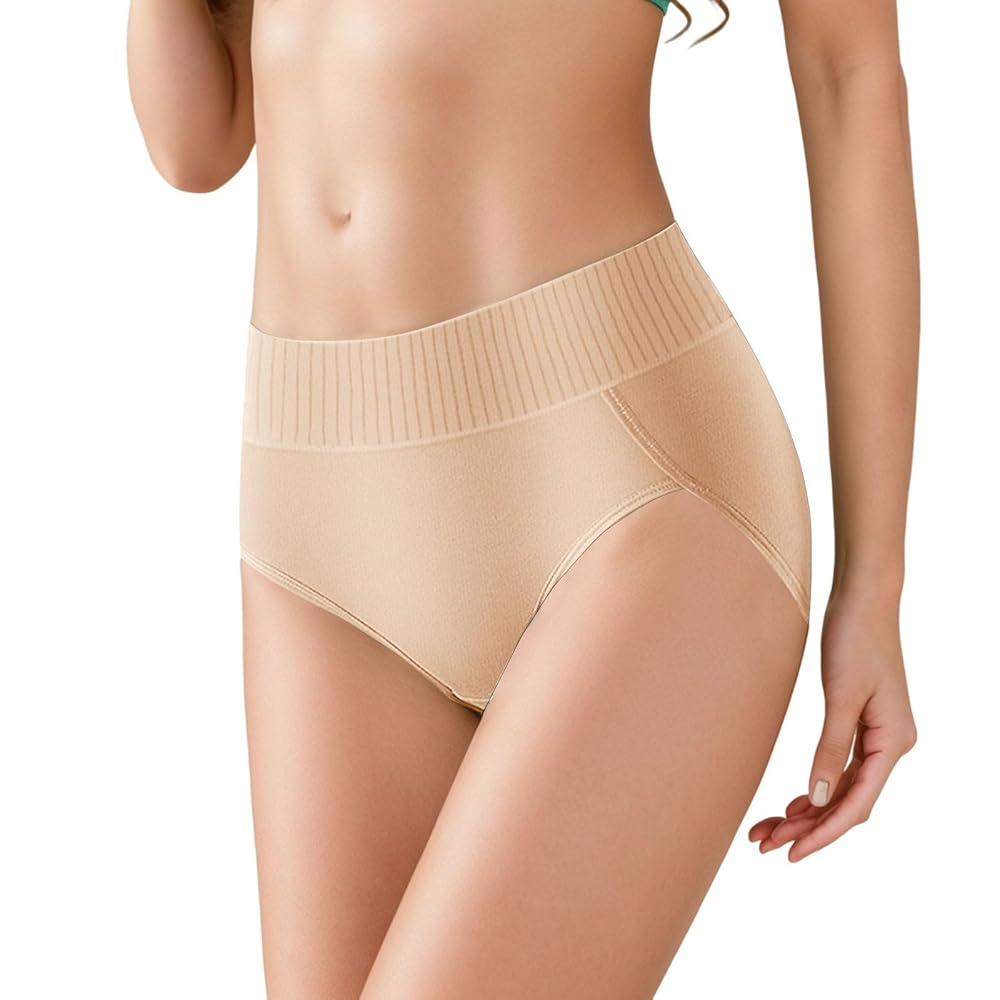
- Brief/Full Coverage: Offers the most coverage on the waist, hips, and rear. Extremely comfortable underwear for daily use under loose-fitting clothing.
- Thong/G-String: Minimal coverage, designed to be invisible under tight clothes. Comfort can be subjective, often chosen for fashion over all-day comfort.
Essential Features for All-Day Wear
Truly premium and comfortable underwear for daily use includes specific design elements that enhance the wearing experience.
- Seamless Construction: Flat-lock or completely seamless edges minimize irritation and eliminate visible panty lines (VPL).
- Contoured Pouches (Men): Anatomically designed pouches provide proper separation and support, reducing skin-to-skin contact and sweat, which is a major boost for comfortable underwear for daily use.
- Comfort Waistband: A soft, non-digging, and non-rolling waistband. Look for micro-fiber or fabric-covered elastic that stays put without squeezing.
- Tag-less Design: Tags are a common source of irritation. High-quality underwear uses printed information instead of sewn-in labels.
- Gusset (Women): A reinforced patch of fabric (often cotton) in the crotch area to improve breathability and hygiene.
The Benefits of Investing in Quality
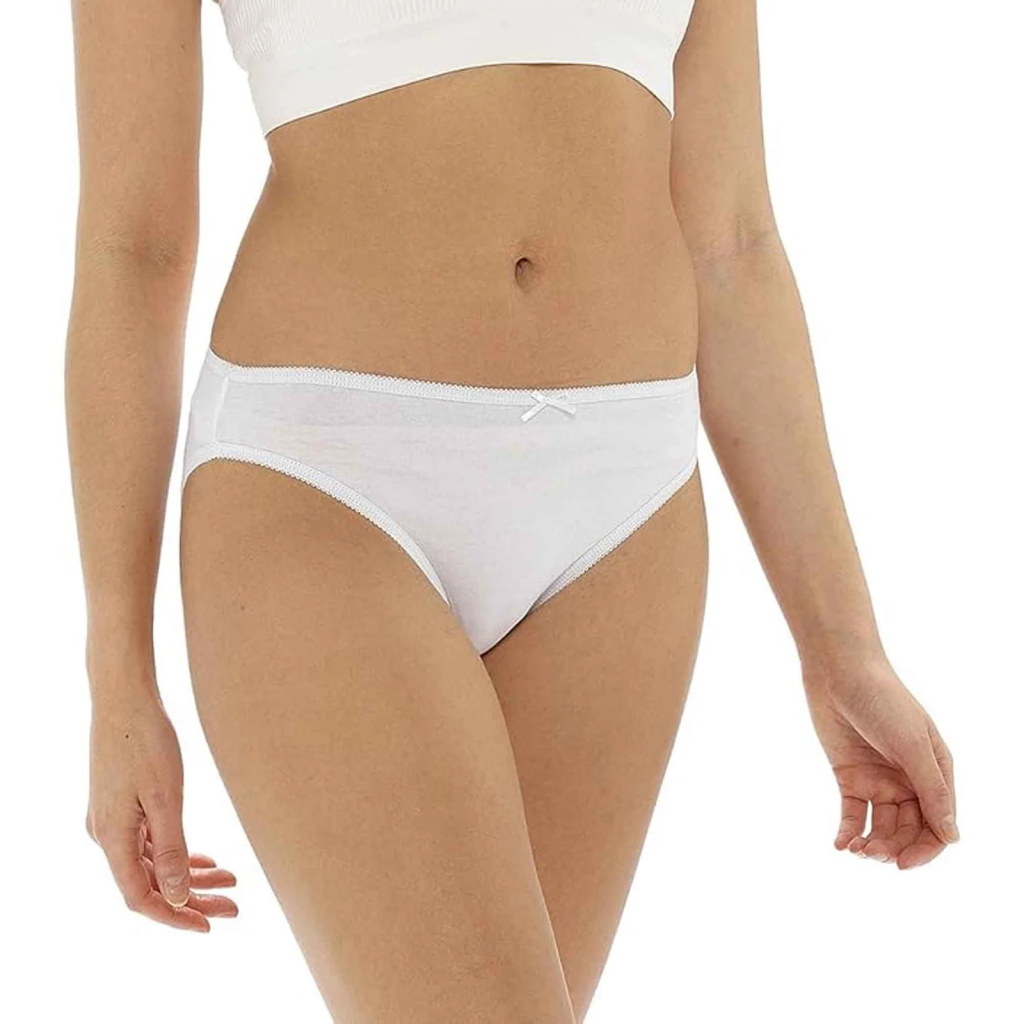
While a cheaper multipack might seem appealing, investing in high-quality comfortable underwear for daily use offers significant, long-term benefits.
- Enhanced Skin Health: High-quality, breathable fabrics (like Modal or Bamboo) prevent moisture buildup, reducing the risk of fungal infections, chafing, and irritation.
- Superior Durability: Better materials and construction mean the underwear will hold its shape, color, and elasticity through countless washes, ultimately offering a lower cost-per-wear.
- Improved Confidence: When you’re not distracted by discomfort, you naturally feel more confident and focused.
- Better Support and Fit: Quality brands invest in ergonomic designs that offer targeted support without restricting movement.
Common Discomfort Traps to Avoid
Choosing the wrong underwear can lead to chronic daily discomfort. Be mindful of these common issues:
- Poorly Sized Elastic: Elastic that is too tight can dig into the skin, while elastic that is too loose will cause the underwear to sag or roll.
- Synthetic Fabrics: Cheaper synthetics, especially those without moisture-wicking properties, can trap heat and moisture, leading to a swampy, uncomfortable underwear for daily use experience.
- Incorrect Style for Activity: Wearing a style with minimal support (like loose boxers) during high-impact activities can lead to pain and distraction.
- Chafing Seams: Thick or poorly placed seams, especially in the inner thigh area of boxer briefs or trunks, can cause painful rubbing throughout the day.
Conclusion: The Foundation of a Great Day
The quest for the perfect pair of comfortable underwear for daily use is not frivolous—it is a critical step in self-care. It’s about choosing a foundational garment that supports you physically and mentally, allowing you to move through your day with ease and confidence. By prioritizing quality fabrics like Modal or Bamboo, focusing on the right fit for your lifestyle, and paying attention to essential features like non-digging waistbands and seamless construction, you can eliminate a significant source of daily discomfort. Invest wisely, care for your garments properly, and enjoy the subtle yet profound impact of true all-day comfort. Your underwear is the last thing you put on and the first layer of your comfort—make it count.
Frequently Asked Questions (FAQs)
Which fabric is best for everyday underwear comfort and hygiene?
Modal and Bamboo Viscose are generally considered the best fabrics for comfort and hygiene. They are exceptionally soft, highly breathable, and superior to cotton in terms of moisture-wicking, which keeps the area dry and helps prevent the growth of bacteria and fungus.
How often should I replace my comfortable underwear for daily use?
Most experts recommend replacing your underwear every 6 to 12 months, depending on its quality and how frequently it is worn. Over time, fabric loses its elasticity, support, and moisture-wicking capabilities, making it less hygienic and less comfortable.
What is the difference between Trunks and Boxer Briefs?
Both trunks and boxer briefs offer a snug fit. The key difference is the length of the leg. Boxer Briefs extend further down the thigh (typically 6-9 inches), offering maximum coverage and protection against thigh chafing. Trunks are much shorter (typically 3-4 inches), making them a better choice for wearing under slim-fit trousers or shorts as they have less fabric to bunch up.
Can the wrong underwear affect my health?
Yes, wearing ill-fitting or non-breathable underwear can impact health. Tight-fitting styles can increase temperature in the groin area (which can affect male fertility). Non-breathable, moisture-trapping fabrics like cheap synthetics can create an environment for yeast infections and chafing.
What does “seamless” actually mean in comfortable underwear?
In the context of underwear, “seamless” refers to a construction where the garment either has no visible seams or uses a flat-lock seam that is extremely smooth against the skin. This design is crucial for comfort as it eliminates the ridges and bulk of traditional seams, reducing the risk of chafing and preventing the visible panty lines (VPL) that show through outerwear.