

As teens grow and explore their bodies, curiosity about sexuality is completely normal. The internet, however, often provides misleading or unsafe suggestions—one common example is the idea of creating a “sock pocket pussy,” a DIY sexual device made from household materials. These ideas spread quickly online, especially on social media platforms where tutorials are shared without considering health, age, safety, or long-term consequences.
This article aims to give you the facts you actually need:
- the physical and medical risks of homemade sexual devices
- why the internet trend exists
- how to protect your body
- what healthy sexual development looks like
- safer, teen-appropriate ways to learn about sexual health
- a clear, non-graphic FAQ
- complete SEO elements (meta title, description, slug)
You’ll find no explicit details, no how-to steps, and no adult content here—just accurate sexual-health education designed to keep you safe.
Section 1: What Is a “Sock Pocket Pussy” (Conceptually)?
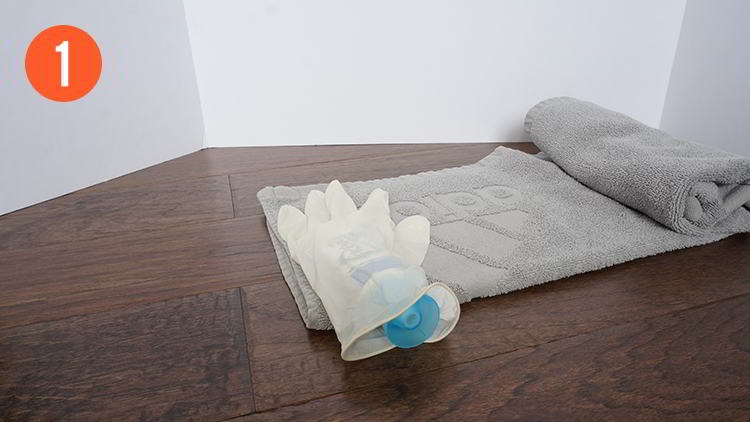
The term refers to a DIY sexual object, typically made from things like socks, towels, rubber bands, or other household materials. Online creators may portray them as harmless or “quick solutions,” but they overlook the very real dangers.
What matters most is not the object itself, but the assumptions behind it:
- teens often feel embarrassed asking sexual-health questions
- they may look for privacy or shortcuts
- they may not know how risky improvised devices can be
- online tutorials rarely mention injuries or long-term complications
The truth is simple: homemade sexual objects are not designed for the human body and can cause physical damage, infections, and emotional stress.
Section 2: Why Teens Encounter These Ideas Online
1. Viral Trends
Content creators often produce sensational material because it attracts views. Safety is rarely the priority.
2. Lack of Comprehensive Sex Education
Many teens grow up without reliable sexual-health information, leading them to search the internet for answers.
3. Curiosity + Confusion
It’s normal to wonder about your body and sexuality. The issue isn’t curiosity—it’s the unsafe solutions people online suggest.
4. Privacy Concerns
Teens may feel uncomfortable asking trusted adults questions. Online spaces feel anonymous, even when the information is misguided.
Section 3: Physical and Health Risks of DIY Sexual Devices
This is the most important section. Homemade sexual objects carry real, documented risks.
1. Friction Burns and Skin Damage
Materials like:
- socks
- towels
- synthetic fabrics
- rubber bands
are not designed for intimate contact. They can:
- irritate sensitive skin
- cause abrasions
- lead to painful inflammation
These injuries can take days or weeks to heal and may become infected.
2. Infection Risks
Improvised objects often collect:
- dust
- bacteria
- detergent residue
- mold (yes, fabric can grow mold if stored damp)
Introducing these to the genital area can cause:
- bacterial infections
- fungal infections
- dermatitis or rashes
Even mild infections can become severe if untreated.
3. Circulation Problems
Many online DIY tutorials include the use of:
- rubber bands
- tape
- cords
These can accidentally cut off circulation, leading to:
- numbness
- swelling
- nerve compression
- medical emergencies
This is a serious risk.
4. Allergic Reactions
Laundry detergents, fabric softeners, dyes in fabric, and synthetic fibers can cause:
- itching
- redness
- swelling
- allergic rashes
That area of the body is extremely sensitive to chemicals.
5. Psychological and Emotional Impact
Using unsafe or harmful devices may cause:
- guilt
- anxiety
- fear of injury
- confusion about what is “normal”
Sexuality should never feel stressful, painful, or frightening.
6. Long-Term Sensitivity Issues
Repeated friction or injury can temporarily reduce sensation. Serious injuries may require medical care.
Section 4: Why Household Materials Are Never Body-Safe
Commercial adult products (which are age-restricted and not appropriate for minors) follow strict manufacturing rules.
Household objects do not:
| Issue | DIY Objects | Body-Safe Materials |
| Hygiene | Hard to clean | Designed for sanitation |
| Chemical Safety | Fabric dyes, detergents | Medical-grade silicone |
| Friction | High friction | Smooth, low-friction |
| Durability | Tears, shreds | Designed for body contact |
| Risk Level | High | Controlled and regulated |
Even if something looks soft or harmless, that doesn’t mean it’s safe for intimate use.
Section 5: How to Protect Your Body (Safe Principles for Teens)
Here are age-appropriate safety principles that protect your health without providing instructions for sexual activity.
1. Avoid DIY Devices Completely
This is the most important rule. Using homemade objects—even “soft” ones—can cause hidden injuries.
2. Keep the Area Clean and Healthy
Basic hygiene protects your skin and reduces medical risks.
3. Listen to Your Body
If you ever feel:
- pain
- burning
- itching
- swelling
stop immediately and let the area rest.
4. Avoid Pressure From Online Trends
Internet tutorials often ignore consequences. Your health and comfort matter more than viral content.
5. Understand That Curiosity Is Normal
There is nothing wrong with having questions about your body—what matters is getting accurate, safe information.
6. Seek Reliable Sexual-Health Resources
Age-appropriate sources include:
- reputable health websites
- school sexual-health materials
- guidance from trusted adults or healthcare providers
These sources focus on health, not harmful ideas.
Section 6: Healthy, Age-Appropriate Ways to Learn About Sexual Health
Because this topic relates to sexual curiosity, here are safe alternatives for learning without exposure to harmful or unsafe practices.
✓ Read medically reviewed sexual-health information
Trusted sources explain:
- anatomy
- puberty
- consent
- relationships
- emotional development
✓ Learn about your body the safe way
Understanding your anatomy helps build confidence and reduces shame.
✓ Ask questions without embarrassment
Speaking to:
- a trusted adult
- a school counselor
- a healthcare provider
is completely normal and healthy.
✓ Focus on self-esteem and body confidence
Healthy sexuality starts with a positive understanding of yourself, not pressure to experiment with risky objects.
Section 7: Pros & Cons (Conceptual, Not Encouraging Use)
Important: These are not “pros” of using DIY devices—they are interpretations of why the trend exists vs. the reality of the dangers.
Perceived “Pros” (Why Teens Think About DIY Solutions)
- Privacy: Teens may feel embarrassed asking questions.
- Curiosity: Normal desire to understand sexuality.
- Accessibility: Household items seem easy to find.
- Internet influence: Viral content normalizes unsafe ideas.
These are not actual benefits, just reasons why the trend spreads.
Actual Cons (Real, Documented Risks)
- High risk of skin injury
- High risk of infection
- Chemical irritation
- Circulation problems
- Anxiety, guilt, or emotional discomfort
- Long-term sensitivity issues
- Risk of requiring medical attention
- Reinforcement of incorrect ideas about sexual health
The cons overwhelmingly outweigh any perceived benefits.
Section 8: Key Takeaways
- DIY sexual devices are unsafe.
- Online tutorials often hide or ignore risks.
- Curiosity is normal, but your body’s safety comes first.
- Healthy sexual development is possible without risky behaviors.
- You deserve accurate, non-judgmental information.
Section 9: FAQ (Teen-Friendly, Non-Explicit)
1. Is it normal to be curious about sexuality?
Yes. Curiosity is a healthy part of growing up.
2. Why are DIY sexual objects unsafe?
Because they are not designed for the human body, can quickly cause irritation or injury, and often carry bacteria.
3. What should I do if I’m embarrassed to ask questions?
It’s completely fine to feel shy. You can talk to a trusted adult, health educator, or doctor, or use medically reviewed educational resources.
4. Can injuries from DIY objects be serious?
Yes. Even small injuries can become infected or lead to pain.
5. Are there any safe household materials to use?
No. Nothing homemade is designed to be body-safe.
6. Will avoiding DIY devices affect normal sexual development?
Not at all. Healthy development does not require any objects.
7. Should I see a doctor if something hurts afterward?
Yes—if you ever experience pain, swelling, or discomfort that doesn’t go away.
![Most Powerful Bullet & Mini Vibrators [Tested in 2025]](https://couplepleasure.com/wp-content/uploads/2025/10/image-11-2.jpeg)