

Open Mouth Gag: Complete Guide to Uses, Types, Benefits, Features & Buying Tips
An Open Mouth Gag is a vital medical and dental instrument designed to keep the mouth open during surgical, diagnostic, and dental procedures. It ensures clear visibility, hands-free operation, patient safety, and procedural efficiency. From dental clinics and ENT surgeries to emergency rooms and operating theaters, mouth gags are widely used across healthcare settings.
In modern medicine, precision and patient comfort are equally important. Open mouth gags provide controlled access to the oral cavity, making them indispensable tools for professionals. This detailed guide will help you understand everything about open mouth gags—from types and features to advantages, disadvantages, and how to choose the right one.

What is an Open Mouth Gag?
An open mouth gag is a medical instrument used to hold the mouth open during medical, dental, and surgical procedures. It prevents involuntary jaw closure and allows clinicians to work freely without obstruction.
These instruments are commonly manufactured using high-grade stainless steel, medical-grade plastic, or silicone, ensuring durability and sterilization safety.
Key Purposes of an Open Mouth Gag:
- Keeps the mouth open consistently
- Enhances surgical visibility
- Prevents accidental biting
- Improves procedural accuracy
- Reduces practitioner fatigue
Types of Open Mouth Gags
Different procedures require different styles of mouth gags. Below are the most commonly used types:
1. Jennings Mouth Gag
- Frequently used in ENT surgeries
- Offers self-retaining mechanism
- Adjustable and sturdy
2. Molt Mouth Gag
- Commonly used in oral surgeries
- Provides controlled mouth opening
- Lightweight and easy to handle
3. Heister Mouth Gag
- Used in dental extractions and surgical access
- Ratcheted design for gradual opening
4. Doyen Mouth Gag
- Preferable for maxillofacial surgeries
- Wide mouth opening capability
5. Pediatric Mouth Gag
- Designed specifically for children
- Smaller, safer, and more comfortable

Key Features of an Open Mouth Gag
A high-quality open mouth gag includes several critical features that ensure safety, comfort, and performance.
Standard Features:
- Medical-grade stainless steel or silicone material
- Autoclavable and reusable
- Adjustable opening mechanism
- Non-slip grip
- Smooth rounded edges
- Lightweight yet strong structure
- Self-retaining locking system
- Rust and corrosion resistant
These features ensure long-term use and patient safety in clinical environments.
Uses of Open Mouth Gag in Medical & Dental Fields
Open mouth gags are used across various medical disciplines including:
Dental Applications:
- Tooth extraction
- Root canal procedures
- Teeth cleaning
- Implant surgeries
Surgical Applications:
- ENT surgeries
- Oral & maxillofacial surgeries
- Tonsillectomy
- Anesthesia airway management
Emergency & Diagnostic Use:
- Airway access
- Foreign body removal
- Oral examination
Advantages of Open Mouth Gag
Here are the major benefits that make open mouth gags essential instruments:
- Provides hands-free operation
- Improves surgical visibility
- Enhances precision and accuracy
- Prevents jaw fatigue for the patient
- Reduces risk of accidental bites
- Ensures consistent mouth opening
- Saves procedure time
- Improves clinician comfort
- Increases operation safety
Disadvantages of Open Mouth Gag
Despite its numerous benefits, some limitations exist:
- May cause jaw discomfort if misused
- Improper size selection may lead to patient injury
- Requires sterilization after each use
- May not be suitable for patients with TMJ disorders
- Risk of tissue pressure sores in long procedures
Proper training and correct size selection can minimize these risks.
Benefits of Using Open Mouth Gag
The benefits extend beyond basic functionality:
- Improves clinical efficiency
- Enhances patient safety
- Enables better access to posterior oral cavity
- Helps maintain consistent working posture
- Reduces manual workload for assistants
- Minimizes procedure interruptions
For both dentists and surgeons, this instrument enhances workflow productivity and surgical outcomes.
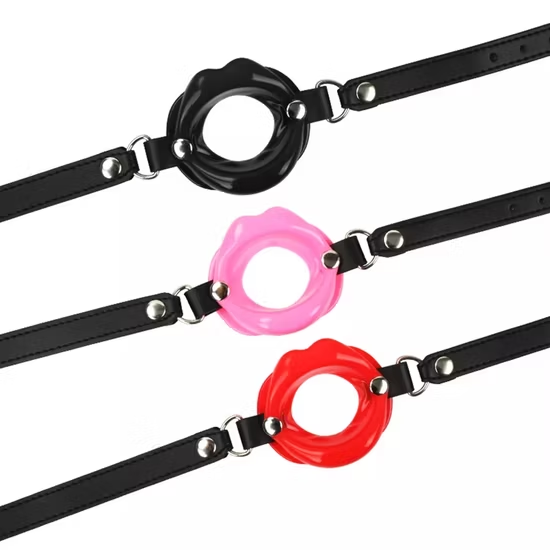
Materials Used in Open Mouth Gags
| Material Type | Benefits | Common Use |
| Stainless Steel | Durable, autoclavable, rust-resistant | ENT & Surgical use |
| Medical Plastic | Lightweight, disposable | Dental clinics |
| Silicone | Soft, patient-friendly | Pediatric procedures |
Selecting the right material ensures hygiene, comfort, and longevity.
How to Choose the Right Open Mouth Gag
When purchasing an open mouth gag, consider the following:
- Procedure type (Dental, ENT, Surgery)
- Patient age group (Adult or Pediatric)
- Material quality
- Sterilization compatibility
- Adjustability and grip
- Brand reputation
- Certification & quality compliance
Maintenance and Sterilization
Proper care ensures safety and extends the life of the instrument.
- Clean immediately after use
- Use autoclave sterilization for metal gags
- Store in dry, sterile conditions
- Regularly inspect for damage or corrosion
Open Mouth Gag in Modern Healthcare
With advancements in surgical technology, open mouth gags have evolved with ergonomic designs, better locking mechanisms, and softer patient contact surfaces. They now play a pivotal role in:
- Outpatient surgeries
- Minimally invasive procedures
- Cosmetic dentistry
- Airway management
- Open Mouth Gag in Modern Healthcare
- With advancements in surgical technology, open mouth gags have evolved with ergonomic designs, better locking mechanisms, and softer patient contact surfaces. They now play a pivotal role in:
- Outpatient surgeries
- Minimally invasive procedures
- Cosmetic dentistry
- Airway management
- Frequently Asked Questions (FAQs)
- 1. What is an open mouth gag used for?
- An open mouth gag is used to keep the mouth open during dental, surgical, and diagnostic procedures for better visibility and hands-free operation.
- 2. Is an open mouth gag reusable?
- Yes, most stainless steel open mouth gags are reusable after proper sterilization.
- 3. Is it safe for children?
- Yes, pediatric mouth gags are specially designed for children’s safety and comfort.
- 4. What material is best for mouth gags?
- Stainless steel is ideal for surgery, while silicone and plastic are better for comfort-focused use.
- 5. Can mouth gags cause pain?
- When used correctly and with the right size, discomfort is minimal. Incorrect usage may cause temporary jaw strain.
- Conclusion
- The Open Mouth Gag is a cornerstone instrument in dental and surgical practice. Its ability to provide safe, hands-free, and stable mouth opening makes it an indispensable tool across multiple medical disciplines. With various types, advanced features, and growing technological innovation, mouth gags continue to improve clinical outcomes while prioritizing patient comfort.Choosing the right mouth gag based on procedure type, material quality, and patient needs ensures safe, efficient, and professional performance. Whether you are a dentist, surgeon, or medical supplier, investing in high-quality open mouth gags enhances both workflow and patient care.
![Most Powerful Bullet & Mini Vibrators [Tested in 2025]](https://couplepleasure.com/wp-content/uploads/2025/10/image-11-2.jpeg)