
Understanding the G-Spot: What It Is and Why It Matters
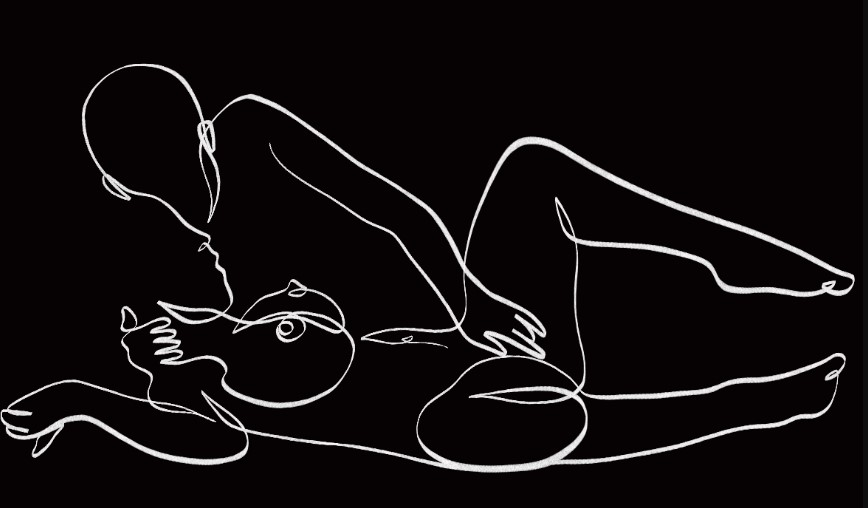
The G-spot — short for the “Gräfenberg spot” — has long captured the imagination. Some view it as a mysterious source of deep internal pleasure; others dismiss it as myth. But why does the G-spot matter so much in our cultural and sexual understanding?
At its heart, the G-spot is more than just a “spot”: it’s often discussed as a potentially sensitive zone on the anterior (front) wall of the vagina. How to finger a girl’s G-spot is a core part of this discussion, as stimulating this area can lead to distinct sensations or even different kinds of orgasm for some. For many, it represents a bridge between internal and external arousal, a place where understanding anatomy meets intimacy, and where pleasure and exploration intersect.
Yet, the G-spot is scientifically controversial. While many people report experiencing it, research has struggled to definitively prove there is a universal, discrete anatomical structure. Studies differ on its existence, location, and even its nature.
So why does the concept remain so important? For one, it pushes us to expand our understanding of sexual anatomy, especially for people assigned female at birth. It encourages open conversations about desire, pleasure, and variation. And psychologically, the idea of a “hidden erogenous zone” can inspire exploration and communication between partners. Even if its anatomical reality remains debated, the G-spot is deeply meaningful for many, whether as a physical phenomenon, a metaphor, or a pathway to more mindful intimacy.
The Anatomy of Pleasure: Locating the G-Spot with Confidence
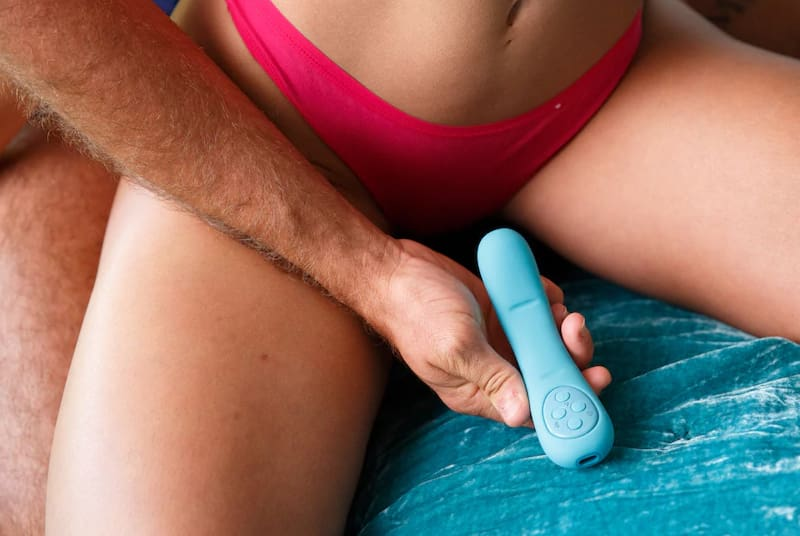
To understand the G-spot from a scientific perspective, it’s helpful to review the current anatomical and clinical evidence — and where that evidence falls short.
- Anatomical studies & dissections: Some research, such as a detailed dissection by Ostrzenski, claims to have identified a sac-like structure on the anterior vaginal wall. According to this work, the structure had three distinct portions and was possibly composed of fibroconnective or erectile-like tissue.
- Systematic reviews: A 2021 review looked across clinical, histological, imaging, and survey-based studies. The authors found that while many women self-report a “G-spot,” the scientific findings do not converge on a clear, consistent anatomical entity: there’s disagreement about its precise location, size, or even whether it’s a separate structure.
- Neuro-innervation and imaging: Some imaging studies (like MRI or ultrasound) have aimed to find a distinct “spot,” but results are mixed. Differences in nerve distribution and vascular tissue complicate a simple “yes/no” conclusion.
- Subjective reports: Surveys of women’s own experiences show that a significant portion believe they have a G-spot. For instance, one study found about half of the participants reported its presence, and these women sometimes scored higher on measures of sexual function.
In short: anatomically and clinically, the idea of the G-spot remains ambiguous. There’s not a universal “G-spot organ” that all research agrees on — but there is enough variation, subjective experience, and anatomical complexity to suggest there may be a “sensitive zone” in some people.
Preparing for the Experience: Setting the Mood for Exploration

Even though the existence of the G-spot is not definitively proven, exploring the area can be part of a respectful and consensual journey of learning. How to finger a girl’s G-spot effectively depends heavily on the atmosphere you create. Here are thoughtful ways to create a supportive, safe atmosphere:
- Open communication first: Talk with your partner (or yourself) about curiosity, comfort, boundaries, and expectations. Use honest, kind language to share what you want to try and how you feel.
- Prioritize relaxation: A calm, relaxed body tends to be more responsive. Gentle intimacy, foreplay, or simply slow, affectionate touch can help.
- Use adequate lubrication: For any internal exploration, using a good water-based lubricant reduces friction and increases comfort. This is essential when learning how to finger a girl’s G-spot.
- Respect pace and timing: There’s no rush — exploration is not about “finding something” in a fixed way, but tuning into sensations. Be prepared to pause, adjust, or stop based on feedback.
- Ensure physical readiness: Clean hands, trimmed nails, and gentle movement matter. If using any devices, they should be body-safe and clean.
Techniques That Work: Effective Methods for Exploring G-Spot Sensitivity (in a Respectful Way)
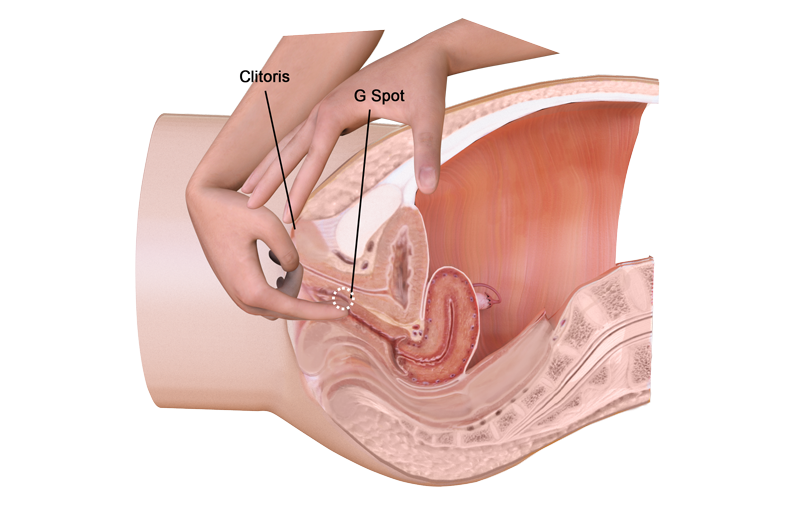
While there’s no guaranteed “G-spot stimulation” method (because sensitivity and response vary), some approaches are commonly discussed in academic and sex-education contexts. Here are modest, informed techniques for gentle exploration:
- Internal “come-hither” motion: A commonly suggested method is to insert one or two fingers (with lubricant) and use a gentle hook or “come-hither” motion toward the anterior wall (the “front” side) of the vagina. This is the primary technique for learning how to finger a girl’s G-spot. This is one of the positions where many people believe the G-spot — or sensitive zone — may reside.
- Varying pressure: Because individual sensitivity varies, it may help to alternate between light and firmer touch. Encourage feedback: what feels pleasant for one moment may change in another. Adjusting pressure is key to knowing how to finger a girl’s G-spot pleasurably.
- Combine with external stimulation: Many people report that combining internal touch with external stimulation (like touching more obviously erogenous zones) enhances pleasure. Integrating clitoral stimulation can greatly aid in learning how to finger a girl’s G-spot.
- Rhythmic exploration: Slow rhythmic movement can help the nervous system recognize and adapt to sensations. Sometimes, longer, consistent gentle strokes feel more comfortable than rapid or forceful pressure. A steady, gentle rhythm is a major part of how to finger a girl’s G-spot.
- Tuning in to bodily signals: Encourage listening to breath, muscle responses, or subtle body shifts. These signals often tell much more than words. Use these non-verbal cues to refine how to finger a girl’s G-spot.
- Take breaks: If tension builds, or if the experience becomes uncomfortable, pausing to check in emotionally and physically is wise and considerate.
Communication Is Key: How to Talk About Desires and Boundaries
Because the G-spot is hypothetical and varies from person to person, communication is especially important. Knowing how to finger a girl’s G-spot is secondary to ensuring emotional safety. Here are ways to build openness and trust:
- Use non-judgmental language: Ask gently, “Would you like to explore this with me?” or “How do you feel about me touching that area?”
- Ask for feedback: During exploration, ask questions like: “Does this feel good?” “More or less pressure?” “Do you want me to move differently?” Direct communication is the best guide for how to finger a girl’s G-spot.
- Acknowledge uncertainty: It’s okay to say, “I don’t know exactly where the G-spot is — but I want to explore carefully, only as far as you’re comfortable.”
- Be receptive to “no” or “stop”: If your partner expresses discomfort or hesitation, pause and respect their wish, even if just momentarily.
- Debrief afterward: After the experience, talk about what was pleasurable or what didn’t feel right. This reflection helps guide future exploration and builds trust.
Signs of Pleasure: Recognizing Responses During Exploration
Even though sensations are very subjective, certain cues can suggest positive response (or the need to adjust):
- Physical cues: Softening, relaxing of muscles, moaning, increased breathing — these may signal comfort and arousal.
- Changes in lubrication: Increased natural lubrication can indicate arousal.
- Muscle movements: Slight pelvic shifts or reflexes may indicate sensitivity.
- Verbal feedback: Phrases like “that feels nice,” “yes, right there,” or similar gentle encouragement are obvious signs.
- Emotional openness: A partner might smile, look more engaged, or appear more relaxed — emotional engagement often goes hand in hand with physical sensation.
It’s essential to remember that not having overt signs doesn’t mean there’s no pleasure. Some responses are internal or subtle. The key is open communication, not just physical cues.
Common Misconceptions & Mistakes to Avoid
When it comes to G-spot exploration, misunderstandings are common. Here are some pitfalls and clarifications grounded in scientific discussion:
- Myth of a fixed “spot”: Many people expect the G-spot to be a clearly defined structure, but many researchers argue it may not be — instead, it might be part of a broader clitoral-urethral-vaginal network.
- Pressure = more pleasure: Applying too much force because you think “stronger must be better” can cause discomfort. Not everyone responds to firm touch; some prefer very gentle pressure. Remember this when exploring how to finger a girl’s G-spot.
- One-size-fits-all expectations: Assuming that everyone should feel something in the same way or that “finding the G-spot” is a goal can lead to frustration. Anatomical variation is large.
- Neglecting emotional safety: Even physical exploration requires emotional consent. Disregarding how a partner feels can damage trust.
- Misinterpreting sensations: Because internal anatomy is complex, what feels “special” might actually be stimulation of internal parts of the clitoris, urethra, or other tissue — not necessarily a “G-spot organ.” Some imaging studies fail to show a unique structure.
Why the G-Spot Conversation Still Matters
- Empowerment through knowledge: Even if the G-spot is not a distinct organ, talking about it helps people understand their bodies, especially internal anatomy like the clitoral network.
- Individual pleasure: Recognizing that pleasure varies legitimizes personal experiences and discourages shame or pressure.
- Better intimacy: Exploring sensitive zones together fosters trust, empathy, and more mindful connection.
- Sexual education: The debate around the G-spot highlights how limited and uneven sex education can be, especially regarding internal anatomy and subjective pleasure.
- Scientific curiosity: Continued research into the G-spot (or G-zone) encourages more comprehensive studies of female sexual anatomy, function, and well-being.
Conclusion
The G-spot remains one of the most intriguing — and debated — concepts in human sexuality. While popular culture often treats it like a magical “pleasure button,” scientific research offers a more complex, nuanced reality. Some anatomical studies suggest structures or tissue differences; others fail to replicate these findings consistently. Systematic reviews conclude that while many people believe in and feel something, there is no unified consensus on a clearly defined, universal “G-spot organ.”
What matters most, perhaps, is not whether the G-spot is a discrete structure, but that we approach exploration with curiosity, respect, and open communication. The practical steps of how to finger a girl’s G-spot are less important than the shared journey. For many, the journey of discovering sensitive zones is as important as any “destination.” By prioritizing consent, listening to each other’s experience, and allowing for variation, intimacy becomes less about myth and more about shared understanding and pleasure.
Frequently Asked Questions
Does the G-spot really exist?
Scientific studies are mixed. A systematic review found that while many people report having a G-spot, research does not agree on a consistent anatomical structure, size, or precise location.
Some experts suggest that what people call the G-spot may actually be part of a broader clitoral-urethral-vaginal network rather than a discrete “spot.”
Where is the G-spot typically located?
It is often described as being on the anterior (front) wall of the vagina, a few centimeters (or inches) in from the vaginal opening. Because anatomy varies widely, the “sensitive zone” may be slightly different for different people. This is the area targeted when exploring how to finger a girl’s G-spot.
Why do some people feel pleasure when that area is touched?
Even if a distinct G-spot doesn’t exist for everyone, that region can still contain nerve-rich tissue (part of the internal clitoral network) that responds to stimulation. Pleasure from stimulation may depend on many factors: arousal, lubrication, emotional connection, and physical variation.
Is it okay if I can’t “find” the G-spot?
Yes — many individuals never feel a standout “spot,” and that’s completely normal. Not having a strong sensation in that area doesn’t mean something is wrong; sexual response is highly personal and variable.
Should I expect a certain kind of orgasm from G-spot stimulation?
No fixed “G-spot orgasm” is guaranteed. The idea of the G-spot giving a special type of orgasm is more anecdotal than scientifically proven. Pleasure may come in many forms — some people feel deep internal sensations, others feel little, and some prefer other types of stimulation altogether.
![Most Powerful Bullet & Mini Vibrators [Tested in 2025]](https://couplepleasure.com/wp-content/uploads/2025/10/image-11-2.jpeg)