

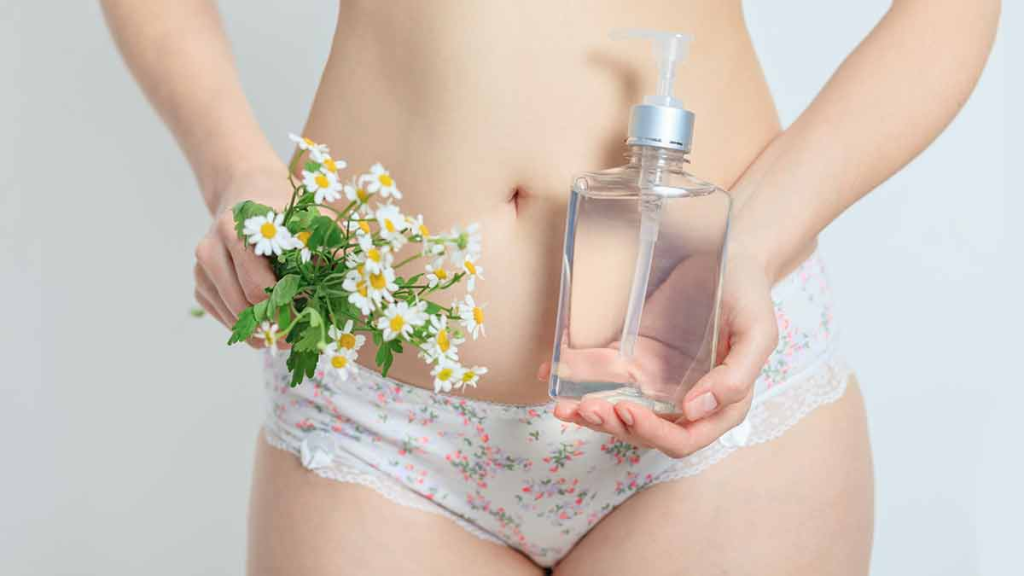
In intimate care routines, choosing the right product for your vulva and external genital area is more important than many realise. Among the many options, feminine hygiene wash brands offer specialized washes marketed for this sensitive zone. This article walks you through: why such brands exist, how to choose among them, their features, advantages and disadvantages, how to use them properly, and answers to common questions. Use this as a guide to help you decide whether a feminine hygiene wash brand is right for you—and if so, how to make the best choice.
Why use “Feminine Hygiene Wash Brands”?
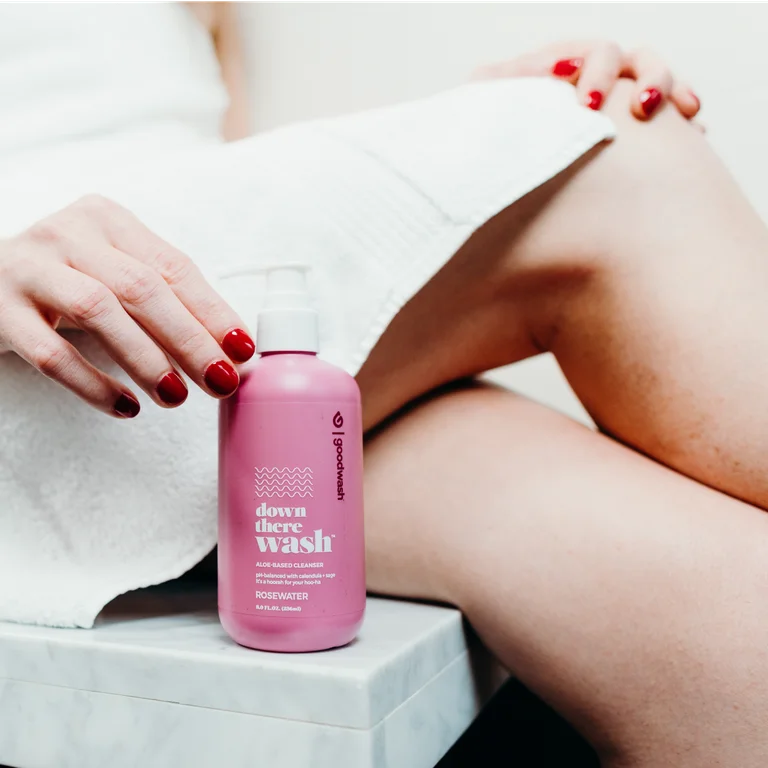
- The skin around the vulva is more delicate than regular body skin, and has a different pH and microbial environment. Using a generic body soap may disturb that balance.
- Many brands of feminine hygiene wash claim to support a safe pH, cleanse gently without drying out the area, and reduce discomfort such as itch or odor. For example, listings of top intimate-wash brands emphasise pH-balance and protection of the intimate area.
- While the area has natural self-cleaning mechanisms, in situations like menstruation, heavy sweating, exercise, or postpartum recovery, some women prefer a dedicated wash from a recognized brand.
- A key point: Using a product just because it is labelled as a “feminine hygiene wash brand” does not automatically guarantee benefit. Some medical experts say mild soap + water may suffice for many.
Popular Feminine Hygiene Wash Brands

Here’s a table of a few widely available brands and comments on them:
| Brand | Key features | Availability & comments |
| VWash / VWash Plus | pH-balanced formula, lactic acid, designed for intimate hygiene. | Widely sold in Bangladesh and India. |
| Freedom Intimate Wash | Positioned as an intimate hygiene wash in Bangladesh. | Local market availability. |
| Beauty Formulas Feminine Intimate Cleansing Wash | Gentle cleansing wash in the personal care segment | Over-the-counter, general personal care retail. |
| Other Indian brands (Pure Wash, Clean & Dry, Everteen etc.) | Herbal/tea-tree/plant extract intimate washes, often with pH-focus. | For regional market; variety of types. |
These are examples of feminine hygiene wash brands offering a range of formulations for intimate cleansing.
Features of good feminine hygiene wash brands
When evaluating products from feminine hygiene wash brands, look for these key features:
- pH-balanced for the vulvar region (approx. 3.8–4.5) – helps maintain the natural acidity of the area.
- Mild cleansing agents rather than harsh soap or high-foaming detergents.
- Low or no fragrance (especially if you have sensitive skin) and minimal irritating additives.
- Trusted proclaims of “intimate” or “external genital area” use rather than internal use.
- Clear instructions and safe-use guidance (i.e., external only).
- Suitable for your skin type (sensitive, post-partum, menstruation days, etc.).
When feminine hygiene wash brands meet these features, they may deliver gentler and more specific care than generic body wash.
Advantages of using feminine hygiene wash brands
Here are some of the potential benefits:
Advantages:
- Improved freshness: A product from a feminine hygiene wash brand may help you feel cleaner and fresher, especially on heavy-sweat or menstruation days.
- Odour control: Some formulations are designed to reduce unpleasant odours around the vulva/external genital region.
- Gentle on sensitive skin: Because many of these brands focus on the intimate zone, the formula may be weaker/delicate and better suited for fine skin in that area.
- pH support: They may help maintain the skin’s natural acidic environment, thus supporting the area’s protective microbial flora.
- Confidence: For many users, using a specialised product from a feminine hygiene wash brand may boost practical comfort and psychological peace-of-mind.
Disadvantages & Cautions for Feminine Hygiene Wash Brands
However, there are some important caveats and disadvantages:
Disadvantages / Points of caution:
- Over-use or use on internal (vaginal) area rather than purely external: Many intimate-washes are meant only for external use; using them internally can disturb microbiomes and lead to irritation or infection.
- Fragrances and harsh additives: Some feminine hygiene wash brands include scents or essential oils which can irritate sensitive skin.
- Cost: Products from feminine hygiene wash brands may cost more than a basic mild soap + water regimen.
- Not always essential: Some experts argue that for women without specific issues, water + gentle cleanser is sufficient; a dedicated “feminine hygiene wash brand” product may not be strictly necessary.
- False sense of security: Choosing a product from a feminine hygiene wash brand doesn’t substitute for good habits (clean underclothes, wiping front-to-back, breathable fabrics, changing after exercise or swimming).
- If you develop irritation, redness or discomfort after switching to a product from a feminine hygiene wash brand, stop use and consult a healthcare practitioner.
How to Select the Best Feminine Hygiene Wash Brand for You
Here are useful guidelines when choosing among feminine hygiene wash brands:
Selection tips:
- Check for pH-balanced specification on the pack (around 3.8-4.5).
- Prefer fragrance-free or minimal-fragrance formulas if you have sensitive skin.
- Examine the ingredient list: simpler is often better; look for soothing extracts (aloe vera, tea tree oil) and avoid high numbers of surfactants or perfume chemicals.
- Use only for external genital washing (vulva) and not for internal vaginal washing/douching.
- Consider your lifestyle: e.g., heavy sweating, frequent exercise, menstruation days may call for a more specialised formula from a good feminine hygiene wash brand.
- Check budget and availability: A high-price feminine hygiene wash brand may be good, but availability and price-value matter.
- For particular conditions (pregnancy, post-partum, frequent infections) you may prefer to consult a gynecologist before choosing a wash from any feminine hygiene wash brand.
- Always test a new product on a small area first; if irritation appears, discontinue use.
Conclusion
In summary: feminine hygiene wash brands can offer a helpful option for intimate external hygiene, especially when your lifestyle involves sweating, exercise, menstruation or you have more sensitive genital skin. They provide targeted cleansing, pH-balanced formulations, and may boost comfort and confidence. However, they are not a mandatory requirement for everyone, and the best intimate hygiene starts with simple good habits (clean water, gentle wash, breathable fabrics, changing wet clothing). When choosing a product from a feminine hygiene wash brand, focus on safe ingredients, correct use (external only), and listen to what your body tells you. If any irritation or discomfort arises, stop use and seek professional advice.
Frequently Asked Questions (FAQ)
Do I have to buy a feminine hygiene wash brand product every day?
No. Most gynecologists agree that washing the external genital area (vulva) with warm water and a very mild soap or cleanser is sufficient for many women. Products from feminine hygiene wash brands are optional tools.
Can I use a feminine hygiene wash brand product inside (internally) the vagina?
No – most of these washes are intended for external use only. Internal use (douching) can upset your natural vaginal pH and microbiome, and lead to infections.
What if I have frequent sweating, odor or discomfort — will a feminine hygiene wash brand fix it?
It may help manage external odor and give a fresher feel, especially on heavy-sweat days, but it is not a cure-all. Good hygiene habits (changing clothes, breathable fabrics, wiping front-to-back, avoiding excessive tightness) remain very important.
How do I pick the right feminine hygiene wash brand for sensitive skin?
Look for a brand that is fragrance-free, pH-balanced, minimal additives, and clearly marked for external genital use. Test first on a small area. If you notice irritation, discontinue.
Is there any risk in using products from feminine hygiene wash brands?
Yes. Some products have strong fragrance, surfactants or ingredients that may irritate sensitive vulvar skin. Over-use, internal use, or use of a non-suitable product may disturb the balance of bacteria or pH and result in redness, itch, or infection.