
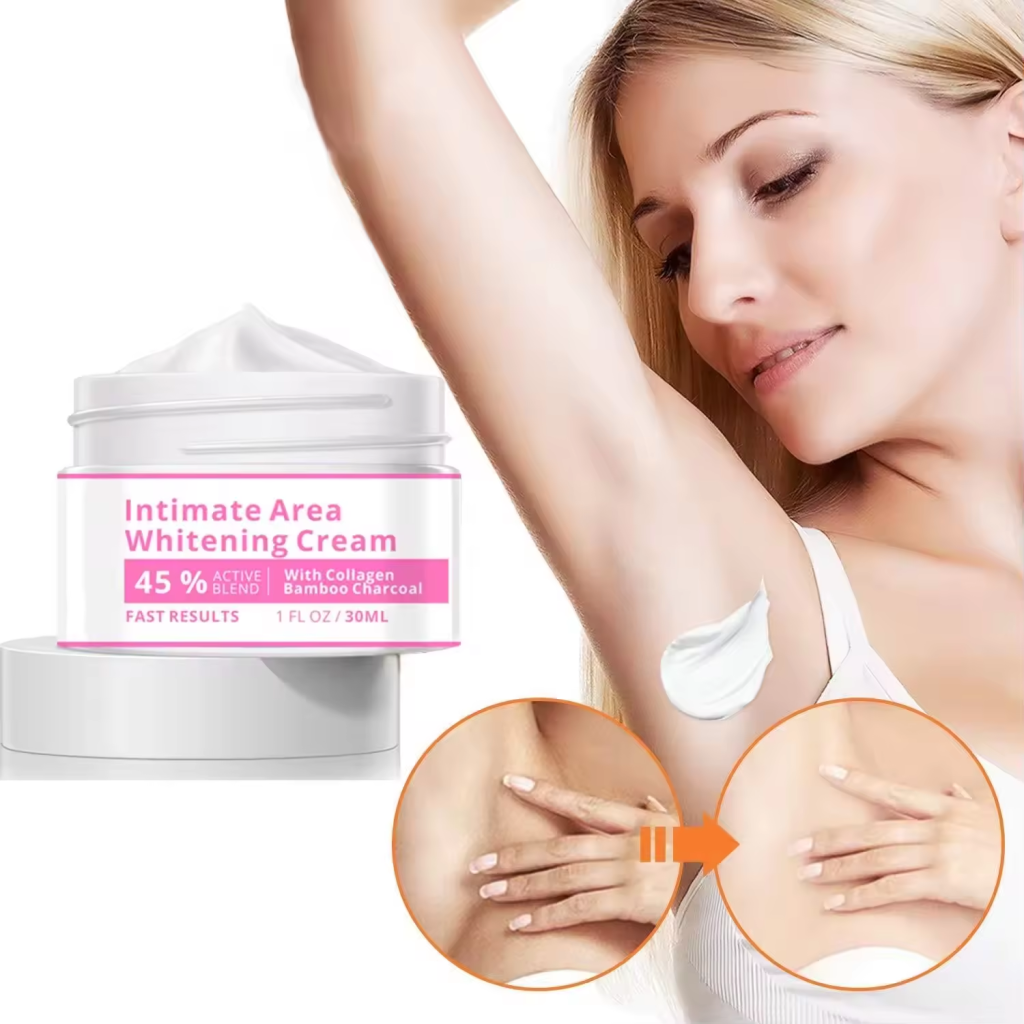
In an era where personal aesthetics and self-care have become holistic pursuits, the market for specialized cosmetic products has expanded dramatically. One area that has seen significant growth in the beauty and wellness sector is the demand for solutions addressing hyperpigmentation in sensitive body zones. The intimate area whitening cream USA market caters to this need, offering consumers topical products designed to brighten and even the skin tone of the bikini line, inner thighs, underarms, and sometimes the outer vulva or perianal area.
However, applying any product to such delicate skin requires an informed, cautious approach. This in-depth article will serve as your comprehensive guide to understanding the landscape of intimate area whitening cream in the USA, from key ingredients and benefits to essential safety considerations.
The Biology of Darkening—Why Intimate Areas Change Color
The hyperpigmentation observed in intimate areas is a natural phenomenon rooted in the body’s protective mechanisms. Understanding the cause is the first step toward effective and safe treatment with an intimate area whitening cream.
The primary culprits behind skin darkening in these sensitive zones are:
- Friction and Chafing: Constant mechanical stress from tight clothing, physical activity, or skin-on-skin rubbing (common in the inner thighs) triggers the body’s inflammation response, leading to a surge in melanin production—a process known as Post-Inflammatory Hyperpigmentation (PIH).
- Hormonal Changes: Fluctuations in estrogen and progesterone during puberty, pregnancy, or due to conditions like PCOS can stimulate melanocytes, resulting in darker patches (Melasma).
- Hair Removal Trauma: Shaving, waxing, or even plucking can create micro-traumas in the skin, initiating the inflammatory cycle that leaves behind dark spots.
- Genetics: For many, the color difference is simply a genetic trait, a natural variance in skin tone.
Active Ingredients: The Core of Intimate Area Whitening Cream USA
Safety and efficacy in this sensitive category hinge entirely on the formulation. In the USA, manufacturers often rely on gentler, plant-derived, and regulatory-approved skin brighteners. It is paramount for consumers to vet these ingredients.
| Active Ingredient | Primary Function | Regulatory Status/Notes |
| Alpha Arbutin | Inhibits the tyrosinase enzyme (melanin production starter). | Considered safe, gentler derivative of hydroquinone, common in intimate area whitening cream USA. |
| Kojic Acid | Blocks tyrosinase activity and possesses antioxidant properties. | Effective lightener, often combined with other agents, used in lower concentrations for sensitive skin. |
| Niacinamide (Vitamin B3) | Prevents the transfer of pigment from melanocytes to skin cells. | Excellent for soothing and strengthening the skin barrier while brightening. |
| Licorice Root Extract | Contains Glabridin, a potent tyrosinase inhibitor and anti-inflammatory compound. | Ideal for sensitive skin due to its redness-reducing and soothing effects. |
| Vitamin C (Ascorbic Acid) | Antioxidant that brightens skin and scavenges free radicals. | Boosts radiance and aids in collagen health, but can be unstable in some formulas. |
| Gentle Exfoliants | Lactic Acid or Mandelic Acid (AHAs). | Used at low levels to gently increase cell turnover and reveal brighter skin. |
The Advantages and Benefits for the Consumer
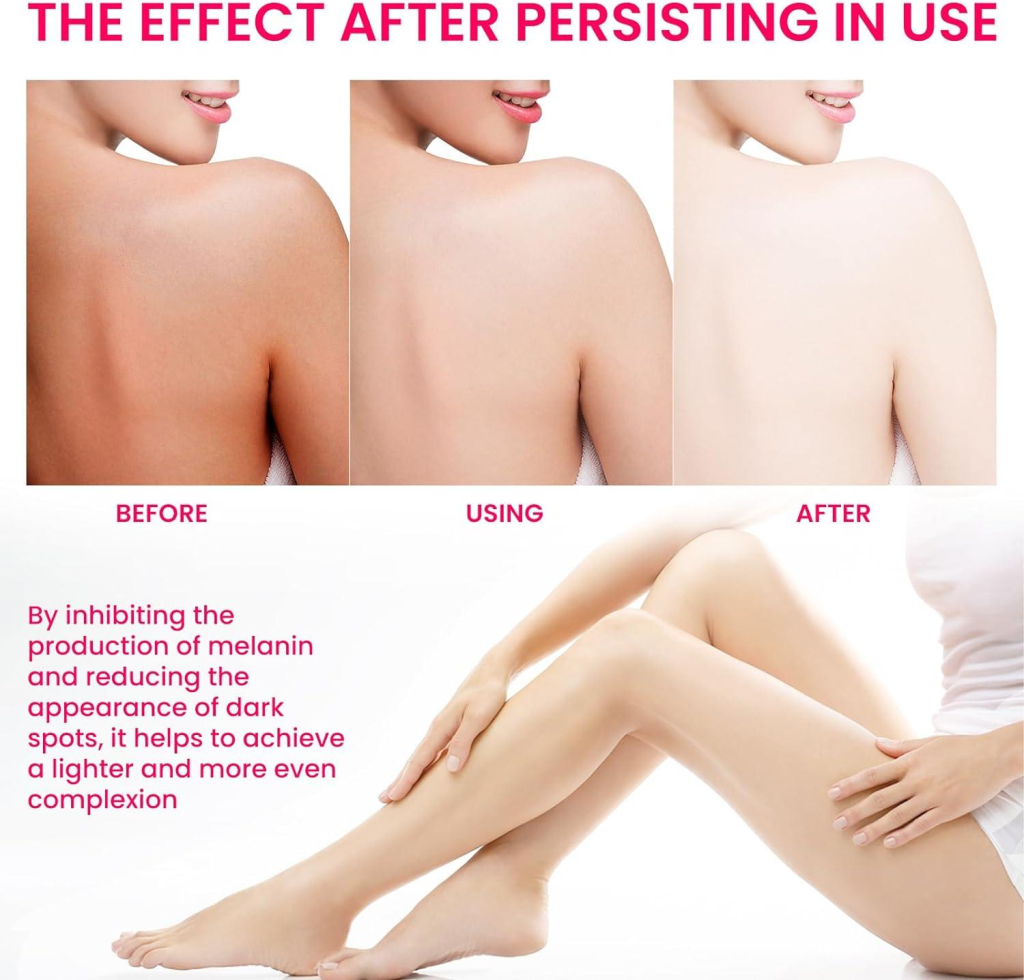
The dedicated nature of an intimate area whitening cream offers several distinct advantages over standard skincare products:
- A Gentle Approach: Unlike harsher facial peels or body brighteners, reputable intimate creams prioritize a mild, soothing base, recognizing the fragility of the skin in the bikini line and surrounding areas.
- Discreet Treatment: They offer a convenient, at-home cosmetic solution that bypasses the need for costly and sometimes embarrassing in-clinic procedures.
- Confidence Boost: For individuals whose self-esteem is affected by skin discoloration, achieving a more uniform skin tone can significantly enhance body confidence and comfort in intimate situations.
- Addressing PIH: By including anti-inflammatory ingredients, the creams not only lighten but also help calm skin that may be prone to PIH from shaving or friction. This dual-action is key to a truly effective intimate area whitening cream USA.
Disadvantages and Critical Safety Considerations
Despite the benefits, the use of intimate area whitening cream in the USA comes with important caveats. Consumer education is vital to prevent adverse effects:
- Risk of Irritation: The skin’s reaction to active lighteners can be unpredictable. Any cream can cause redness, itching, or a burning sensation, necessitating immediate cessation.
- PIH Paradox: If a product causes severe irritation, the resulting inflammation will often lead to worse hyperpigmentation than the original condition, creating a frustrating cycle of darkening.
- Regulatory Blind Spots: While the FDA regulates the safety of cosmetic ingredients, it does not approve a cream’s efficacy or marketing claims in this category. Consumers must rely on independent research and reputable brand reviews.
- Unrealistic Expectations: Topical creams work slowly and gradually. They can lighten discoloration, but they will not change your natural, genetically determined skin tone. Results often require ongoing use.
Application Protocol: How to Use Intimate Area Whitening Cream Safely
To maximize results and minimize risk when using an intimate area whitening cream in the USA, follow these critical steps:
- The Patch Test (Always!): Before applying to the intended area, apply a tiny amount (pea-sized) to an inconspicuous patch of skin, like behind the ear or inside the elbow. Wait 24 hours. No redness, itching, or swelling? Proceed with caution.
- Prep the Skin: Apply the cream only to skin that is perfectly clean and fully dry. Applying to damp skin can increase absorption and irritation.
- Use Sparingly: A little goes a long way. Gently massage a thin layer only on the hyperpigmented areas. Never attempt to rub it into mucous membranes or broken skin.
- Consistency Over Intensity: Use the cream as directed (usually once or twice daily). Do not try to speed up results by applying more product, as this exponentially increases the risk of irritation and PIH.
Conclusion: A Personal Choice Towards Self-Care
The market for intimate area whitening cream USA is a facet of the booming personal care industry, driven by individual desires for aesthetic control and confidence. When exploring this category, the watchwords must be safety, research, and patience. By understanding the active ingredients, choosing products from reputable US-based sources, and adhering strictly to application protocols, consumers can navigate this segment responsibly. Ultimately, any decision to alter one’s body aesthetics should be a conscious, positive choice toward self-care and self-acceptance.
Frequently Asked Questions (FAQs)
Can an intimate area whitening cream be used inside the vagina?
Absolutely not. These creams are strictly for external skin use (bikini line, inner thigh, outer vulva). The internal vaginal area is a self-cleaning ecosystem that should only be treated with products explicitly approved by a gynecologist.
Is it possible for the skin to darken again after stopping the cream?
Yes, the skin can re-darken. The underlying causes of hyperpigmentation—like friction, hormones, and inflammation—still exist. Maintaining results often requires a combination of continuous, milder product use and lifestyle adjustments (e.g., wearing looser clothes and gentle hair removal).
Why do some US-made creams cost more than imported ones?
Products formulated and manufactured in the USA typically adhere to higher standards of quality control, testing (e.g., dermatologist testing, stability testing), and regulatory compliance. These stringent processes and higher-quality, purified ingredients generally result in a higher retail price but also offer greater assurance of safety.
Can I combine my intimate area whitening cream with other body scrubs?
Use extreme caution. Avoid combining a brightening cream with harsh physical exfoliants (scrubs) or chemical exfoliants (acids) in the same application. Over-exfoliating the sensitive skin will likely cause irritation and trigger new PIH, counteracting the cream’s lightening effect. Stick to a simple, gentle cleansing routine.
What should I do if the cream causes a burning sensation?
Immediately wash the area with cool water and a mild, unfragranced soap. Apply a soothing, pure moisturizer (like Aloe Vera or pure Shea Butter) to calm the skin. Discontinue use of that specific intimate area whitening cream USA product and consult a dermatologist if the irritation persists for more than 24 hours.